Skip to content
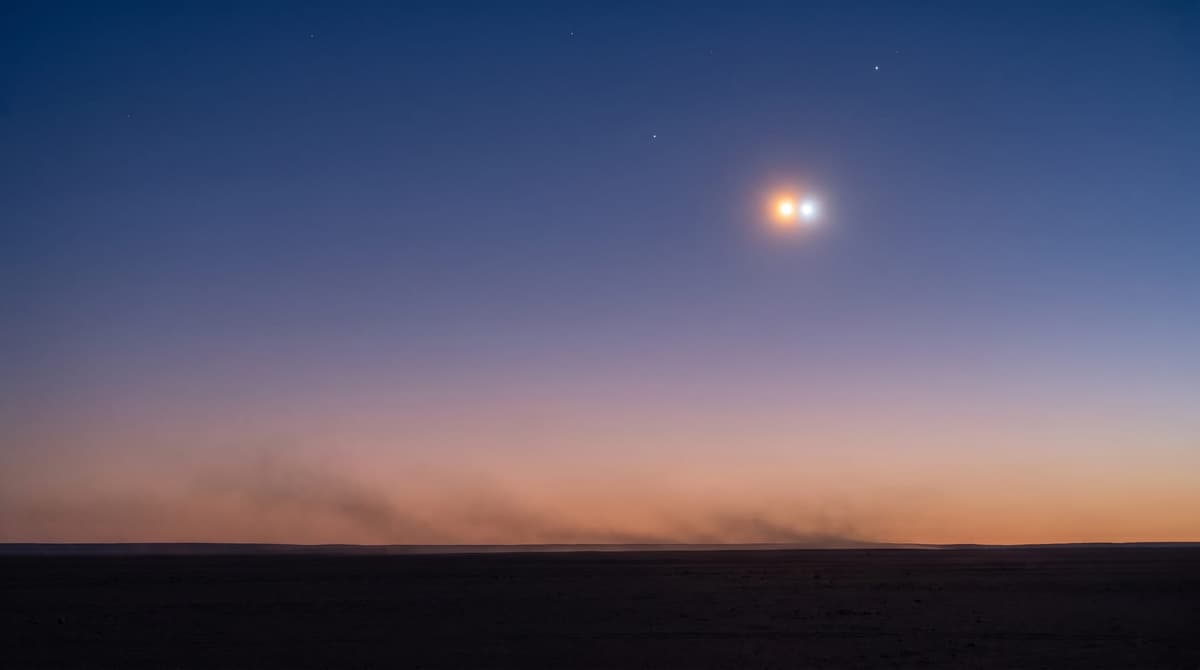
Conjunction — symbolic illustration

Astrological aspects · 0°

Conjunction in astrology

0° · Neutral · default orb 8°

A conjunction (glyph ☌) is when two planets sit at roughly the same spot in your chart, about 0 degrees apart. The two energies blend and amplify each other, so you tend to feel them as one strong theme rather than two separate ones. It is read as a recurring pattern in how you operate, not a forecast of fate. Treat it as a prompt for self-reflection, a way to notice your own tendencies. This is offered for entertainment and gentle insight only.

Oksana MiatovaWritten by Oksana Miatova

For entertainment and self-reflection only. Not medical, legal, financial or psychological advice. Consult a qualified professional for important decisions.

Every planet pair

Conjunctions, pair by pair

Each card opens a full reading of that conjunction — in the natal chart, in synastry and as a transit.

Jupiter conjunction NeptuneRead the aspect →
Jupiter conjunction PlutoRead the aspect →
Jupiter conjunction SaturnRead the aspect →
Jupiter conjunction UranusRead the aspect →
Mars conjunction JupiterRead the aspect →
Mars conjunction NeptuneRead the aspect →
Mars conjunction PlutoDrive and intensity merge, often felt as a focused, all-in approach to what you want.Read the aspect →
Mars conjunction SaturnDrive meets discipline, blending energy with patience in how you push toward things.Read the aspect →
Mars conjunction UranusRead the aspect →
Mercury conjunction JupiterRead the aspect →
Mercury conjunction MarsRead the aspect →
Mercury conjunction NeptuneRead the aspect →
Mercury conjunction PlutoRead the aspect →
Mercury conjunction SaturnRead the aspect →
Mercury conjunction UranusRead the aspect →
Mercury conjunction VenusRead the aspect →
Moon conjunction JupiterRead the aspect →
Moon conjunction MarsEmotions and drive blend, so your moods and your motivation tend to rise and fall together.Read the aspect →
Moon conjunction MercuryRead the aspect →
Moon conjunction NeptuneRead the aspect →
Moon conjunction PlutoFeelings meet intensity, giving emotional life a deep, all-or-nothing quality to observe.Read the aspect →
Moon conjunction SaturnFeelings meet caution, so emotional life can feel measured, steady, sometimes quietly heavy.Read the aspect →
Moon conjunction UranusRead the aspect →
Moon conjunction VenusFeelings and affection entwine, giving a tender, comfort-seeking emotional style to notice.Read the aspect →
Neptune conjunction PlutoRead the aspect →
Saturn conjunction NeptuneRead the aspect →
Saturn conjunction PlutoRead the aspect →
Saturn conjunction UranusRead the aspect →
Sun conjunction JupiterConfidence and outlook amplify each other, often felt as a generous, expansive sense of self.Read the aspect →
Sun conjunction MarsDrive fuses with identity, so your energy and your sense of self tend to fire up together.Read the aspect →
Sun conjunction MercuryIdentity and thinking merge, so how you express yourself feels closely tied to who you are.Read the aspect →
Sun conjunction MoonYour sense of self and your emotional needs pull in the same direction, often felt as one whole.Read the aspect →
Sun conjunction NeptuneRead the aspect →
Sun conjunction PlutoIdentity meets depth, so self-definition can feel charged with a strong, transformative pull.Read the aspect →
Sun conjunction SaturnIdentity meets responsibility, so seriousness and self-definition tend to grow side by side.Read the aspect →
Sun conjunction UranusRead the aspect →
Sun conjunction VenusSelf and affection blend, giving a warm, relationship-aware way of showing up in the world.Read the aspect →
Uranus conjunction NeptuneRead the aspect →
Uranus conjunction PlutoRead the aspect →
Venus conjunction JupiterRead the aspect →
Venus conjunction MarsAffection and drive fuse, blending warmth with energy in how you pursue what you enjoy.Read the aspect →
Venus conjunction NeptuneRead the aspect →
Venus conjunction PlutoRead the aspect →
Venus conjunction SaturnAffection meets commitment, so warmth tends to come paired with care and a steady tone.Read the aspect →
Venus conjunction UranusRead the aspect →
Conjunction — symbolic still life

About the conjunction

What a conjunction is

A conjunction happens when two planets occupy almost the same degree of the zodiac, so they appear stacked together from where you stand. Astrologers mark it with the glyph ☌ and measure it at 0 degrees of separation. Instead of two voices in conversation, you get one merged voice, louder and harder to ignore.

Because the planets fuse, you rarely experience them as distinct. A Sun joined to Venus, for example, tends to feel like a single way of being rather than two impulses pulling in different directions. The blend can be a genuine strength, since the energies reinforce each other, or it can feel like a lot at once, with little room to separate the threads.

The conjunction is neutral in tone. Whether it reads as easy or intense depends on which planets meet and how you choose to channel them. Seen this way, it is simply a place where your chart concentrates its attention, a theme worth getting to know in yourself.

Strength and orb

The orb is the wiggle room astrologers allow around an exact aspect. A conjunction is exact at 0 degrees, but it still counts within a working orb of roughly 8 degrees for the Sun and Moon, and a little less for the smaller, faster planets. Inside that window the two planets are considered close enough to blend.

Tighter is stronger. Two planets sitting within a degree or two of each other create a far more concentrated theme than ones near the edge of the orb. As the gap widens, the fusion loosens and the energies start to feel a touch more separate, less insistent.

When you read your own chart, notice how exact a conjunction is before you weigh how much it matters. A near-exact pairing usually points to something you live out strongly and often. A wide one is gentler, more of a quiet undertone than a headline.

A conjunction in the natal chart, in synastry and in transit

In the natal chart, a conjunction shows two parts of your nature that grew up entwined. You may find it hard to tell them apart, because they have always worked as a team. This can be a signature strength when the planets suit each other, or a busy spot that benefits from a little conscious untangling.

In synastry, where two people's charts are compared, a conjunction between your planet and someone else's marks a place where you amplify one another. The shared theme feels immediate and familiar, sometimes thrilling, sometimes a bit much. It is a mirror for how you relate, not a verdict on whether a connection will last.

In transit, when a moving planet drifts over a point in your chart, the conjunction tends to switch that theme on for a while. It can feel like a season where a particular part of life asks for your attention. Read it as a window for reflection rather than a fixed event being delivered to your door.

How to work with a conjunction

Start by naming the two planets and asking what each one usually means to you. Because a conjunction blends them, the useful question is not which one is winning, but how they show up together in your habits, your choices and your moods. Writing down a few real examples often makes the pattern obvious.

Once you can see it, you can work with it on purpose. A tight conjunction can feel like everything arriving at once, so giving the theme structure, a routine, a creative outlet, a clear time and place, often helps it settle. The aim is awareness, not control over outcomes.

Keep the framing light. A conjunction describes a tendency you carry, not a destiny you are stuck with. Used as a mirror, it can help you understand why certain themes keep returning, which is the whole point of looking at a chart this way.

Want the aspects between two real charts?

A full compatibility reading — every cross-aspect, sphere by sphere

A conjunction is one shape among many. Enter two birth dates and we’ll read the real aspects between the two charts in plain language — calculated with the Swiss Ephemeris, not a quick-and-dirty calculator.

Check your compatibilityfrom £1 · for entertainment

The other major aspects

The same planet pair takes on a very different character in each aspect.

Frequently asked questions

What does a conjunction mean in astrology?
It means two planets sit at almost the same point in the chart, blending and amplifying each other into a single, strong theme you tend to feel as one.
What is the orb for a conjunction?
A conjunction is exact at 0 degrees, with a working orb of about 8 degrees. The closer the two planets, the stronger the blend tends to feel.
Is a conjunction good or bad?
Neither. A conjunction is neutral in tone. It simply fuses two planets, and whether that feels easy or intense depends on which planets meet and how you use the energy.
What's the difference between a conjunction and a stellium?
A conjunction links two planets close together, while a stellium is a cluster of three or more planets grouped in one area, creating an even more concentrated theme.
How do I find the conjunctions in my chart?
Look for two planet glyphs sitting close together at similar degrees. If they are within roughly 8 degrees, you can read them as conjunct and blended.
Oksana Miatova
Oksana Miatova

Astrologer, co-founder of WowAstro

Oksana Miatova is a practising astrologer and co-founder of WowAstro. Natal charts, synastry and forecasts grounded in the Western classical tradition — explained through real-life examples and plain language.

More about the author →

For entertainment and self-reflection only. Not medical, legal, financial or psychological advice. Consult a qualified professional for important decisions.