Skip to content
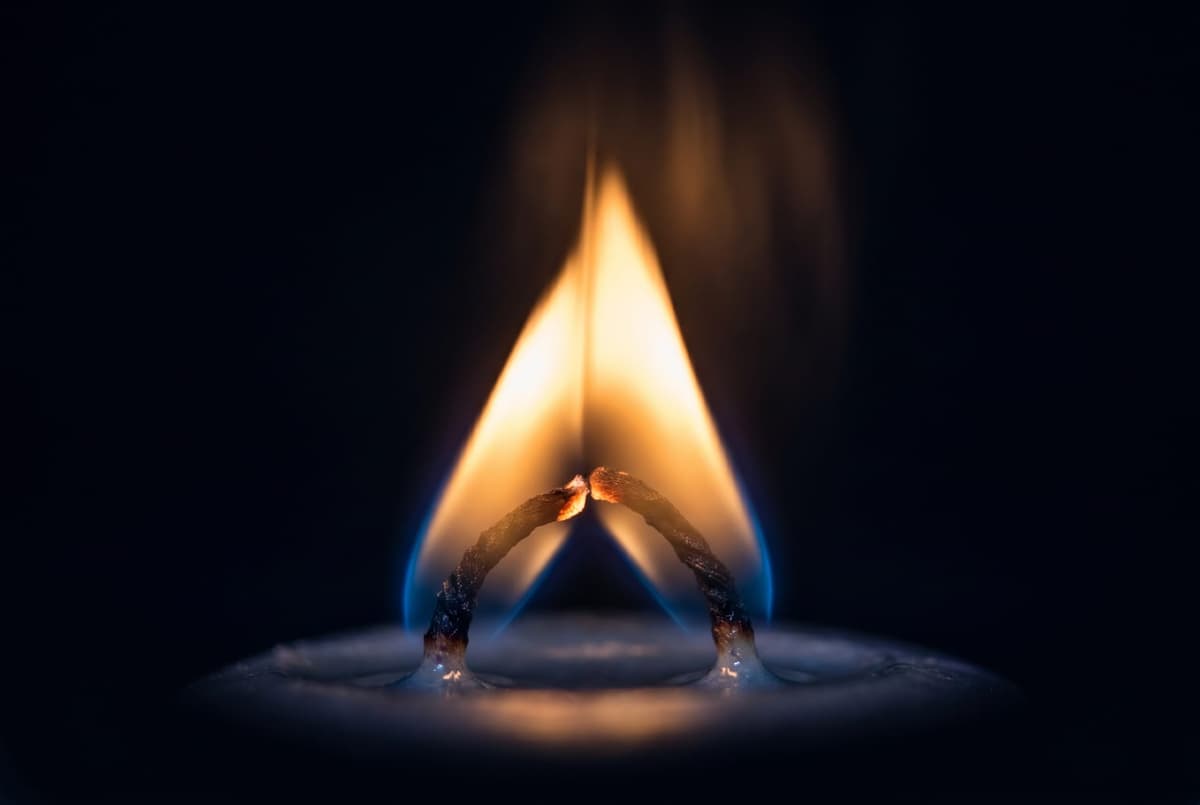
Conjunction Venus–Neptune — symbolic illustration

Conjunction · 0°

Venus conjunction Neptune

A neutral aspect: it amplifies both planets, and how it plays out depends on the signs they sit in and the rest of the chart.

Orb up to 8°NeutralNatal · synastry · transit
0°Venus conjunction NeptuneOrb up to 8° · major aspect
Oksana MiatovaWritten by Oksana Miatova·13 min read

For entertainment and self-reflection only. Not medical, legal, financial or psychological advice. Consult a qualified professional for important decisions.

The short answer

Venus conjunct Neptune fuses the capacity to love with the capacity to dream. In the natal chart it tends to bring an artistic gift, a fine romantic streak and a habit of seeing a projected ideal rather than the real person; in synastry it creates a magnetic pull where two people fall for a shared myth of each other; in transit it opens a brief window of aesthetic inspiration and, at the same time, raises the risk of misjudged decisions about love.

What a conjunction is

The geometry behind the reading

A conjunction is a separation of zero degrees between two planets, classically the strongest of the major aspects and the only one with a neutral tone — its character depends entirely on which planets have met. For a conjunction involving Neptune the textbook orb runs up to eight degrees, though in practice I tighten that to about six in the natal chart and to five in synastry and transits, because beyond that the aspect reads as background rather than as a storyline. When Venus merges with Neptune, two very different functions land on a single point of the chart: on one side the love feeling, aesthetic taste, relationships, money, pleasure; on the other the dream, the idealisation, the artistic channel and the gift for softening the line between yourself and whatever you love. Venus is a personal, fast-moving planet that describes what you choose and whom you choose. Neptune is a slow, generational planet that governs illusion and everything you cannot hold in your hand. Their meeting gives a person a rare feeling for beauty and, almost always, a long love story with someone who isn't quite there.

Three ways to read it

The same aspect, three different stories

One aspect reads differently depending on where you find it: inside a single birth chart, between two people, or moving across the sky right now. Read each as a way to notice patterns, not as a forecast.

Venus conjunct Neptune in the natal chart

If Venus conjunct Neptune sits in your natal chart, you were born in one of those windows when transiting Venus was crossing the degree of Neptune. Neptune crawls through a single sign for about fourteen years; Venus threads the whole zodiac roughly once a year, so its exact meeting with Neptune lands in relatively narrow stretches. Inside the chart it means the Venusian archetype — love, beauty, the choice of a partner, your relationship with money, your way of taking pleasure — has fused with the Neptunian one, which governs the dream, the idealisation, the artistic channel and everything you cannot hold in your hand. The two can't be teased apart. And that is at once your rare sensitivity to beauty and your long love story with someone who isn't really there.

The thread reads from adolescence. A first crush rarely lands on a real classmate; far more often it's an image — a boy you never spoke to, a teacher, a friend's older brother, a character in a book, a musician on a record sleeve. It can run for years in complete silence, fed on imagination alone. When the first real romance finally happens, it's often lived as a continuation of the same fantasy: inside your head a fairy tale is built in which the partner plays a part written long before you met them. Sometimes the partner guesses the part and keeps it up for the first months. Sometimes they don't, and then the collapse comes quickly. Either way, by twenty-five there's a recognisable pattern: flare-up, fairy tale, collapse, disappointment, pause, flare-up with someone new — and almost always a sincere bafflement that one and the same person could change so much.

The central and most painful theme of this aspect is illusion. Not malicious illusion, but a structural one. Venus shows whom and what you love; Neptune blurs the form of whatever it touches. Their merge gives a particular gift: to see in another person not who they are but the best possible version of who they could be. And that gift is at once lovely and ruinous. Lovely, because the faith you hand someone often helps them become better than they were before they met you. Ruinous, because any collision with reality is lived as a betrayal — although in fact no one betrayed anyone; the person simply was never who they appeared to be.

The strength shows up in aesthetics and in the creative channel. It's a fine feeling for beauty that isn't learnt and doesn't arrive with age. You catch harmony where others see a random heap of details: in a pairing of colours, in a musical phrase, in a tone of voice, in the fall of light. Good photographers, musicians, designers, poets, film artists, perfumers, florists and landscape architects come from this aspect. The professions where you have to work with mood and a fine impression come naturally. The talent shows not as ambition but as a background capacity — one on which people often don't even build a career, until someone from the outside points out how rare it is.

The financial side almost always needs separate work. Venus governs money; Neptune blurs its form. In practice that gives a familiar script: the budget is always approximate, money melts away with no clear trail, large sums go into the lovely stories of partners and friends, loans get taken out on a dream rather than the maths. People often lend to those close to them and never get it back. They often stand as guarantor on the loans of someone who then defaults. Only a firm external structure helps: a bookkeeper, automatic transfers into separate accounts, regular expense tracking, a clear rule not to lend without a written record and not to act as guarantor.

In adult life the main task is learning to tell love apart from projection. It isn't done in a single session with an astrologer and it doesn't arrive by itself with age. I work with it like this. First, the six-month rule. Any serious decision in a new relationship — moving in, having a child, opening a shared business, handing over a significant sum — gets shelved for at least half a year from the day you met. Over six months the first fog usually settles, and you start to see who's actually in front of you. Second, the outside mirror. One or two long-standing friends who aren't wearing the glasses about your new partner are a priceless resource; inside the infatuation their opinion sounds blunt, a year on it's a lifeline. Third, the creative channel. What finds an outlet in art doesn't get acted out in your love life — and people with this aspect who take their creative work seriously tend to have a gentler love history.

By their forties or fifties someone with this aspect often arrives at a surprisingly mature and, at the same time, very fine capacity to love. The idealisation falls away; the artistic channel stays. And then the natal chart reads as a map of a road you've already walked rather than a verdict on it. To see exactly how Venus conjunct Neptune plays out for you, the sign, the house and the aspects to the other planets all have to be read together — treat all of this as a pattern to notice rather than a fixed fate.
When it flows

  • A natural aesthetic eye — you catch harmony where other people see only a random heap of details
  • An artistic channel in music, poetry, design, photography or film, especially work that handles mood rather than form
  • A capacity to love tenderly and without demands, to see the best in people and forgive more than seems sensible
  • Compassion that wasn't learnt from books but came built in, particularly towards anyone who is fragile, unwell or lost

When it grates

  • A chronic habit of idealising partners — falling for your image of someone rather than the actual person
  • Rose-tinted glasses that hide the obvious red flags until it's far too late to miss them
  • A blurriness around money — funds melt away with no clear trail, and loans get taken out on a lovely story rather than the maths
  • Escaping the pain of disappointment through new infatuations, drink, endless box sets or romantic daydreams

The shadow side, and what to do with it

The shadow side of this conjunction is a lifelong love affair with someone who isn't there. You keep choosing a partner not by the facts but by the feeling they stir up in the first few weeks, and you keep arriving, a year or two on, at the moment when it turns out the person you chose was never who they seemed. Nobody lied; you simply imagined them that way. At its worst it becomes a long run of relationships with people who are unavailable, taken or in trouble — a stretch of your best years spent playing the patient angel. Integration comes slowly, through a deliberate habit of checking reality: writing down facts instead of impressions, giving any new relationship half a year before any serious decision, leaning on old friends who aren't wearing the glasses. And through the creative channel — what doesn't find an outlet in art will reliably be acted out in your love life instead.

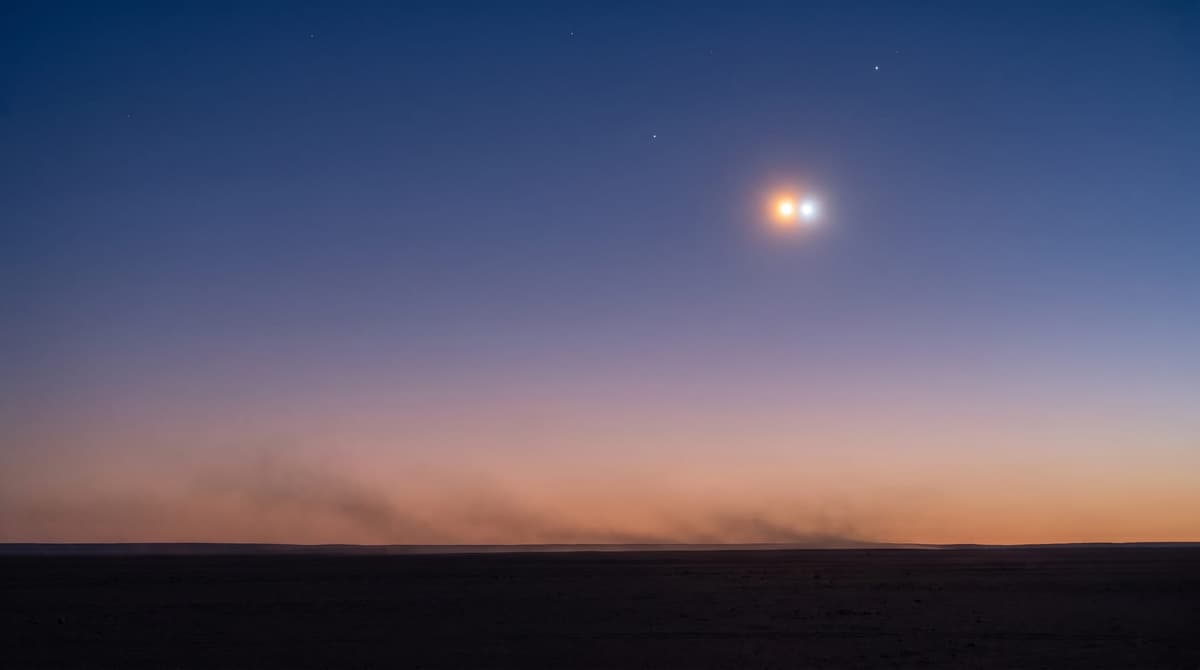
Conjunction — symbolic still life

How close is close

The orb decides the volume

A conjunction is rarely exact. The smaller the gap between the two planets — the orb — the louder the aspect plays. Here is roughly how the three bands read.

Tight

0–2°

Reads as a defining feature

At 0–2° the merge of Venus and Neptune reads as the foundation of your whole love life. From early adolescence you fall not for the real people around you but for images — a classmate you've never spoken to, a teacher, a character in a book, a musician on an album cover. That thread doesn't disappear in adulthood; only the forms change. Each new partner is first lived as a revelation, then, half a year or a year on, as a collapse and a betrayal — and it always feels genuinely baffling that one and the same person could change so much. In return, the artistic channel and the aesthetic sense show up very early and often become a profession. The central task in this band is learning to tell love apart from projection, and that is the work of decades.

Medium

2–5°

A steady background pattern

At 2–5° the aspect works as a steady background note, but with room for a gap. You usually know you tend to idealise, and over time you learn to watch for it. By your thirties or forties a habit forms of testing a new feeling against the facts, giving a relationship time, leaning on the judgement of long-standing friends. The artistic channel is gentler than in the tight band but not absent — it tends to land in one specific form: photography, design, music as a hobby, fine work with words. The financial blurriness softens with experience, especially after one or two real losses, after which a more realistic eye for money tends to set in.

Loose

5–8°

A faint colouring, felt in crises

At 5–8° the merge acts as a context light rather than as the structure of the personality. You feel the link between your love life and your leaning towards idealisation, but you don't wreck yourself on the aspect. It surfaces mainly in crisis stretches — heavy Neptune transits, the aftermath of a divorce or a serious loss, the first months of falling in love. The sign the conjunction sits in matters more here than the aspect itself: Pisces lends a mystical, artistic note; Scorpio a deep and sometimes painful love; Aquarius romance held at a distance; Taurus a feeling for the beauty of everyday things.

Conjunction with a partner — what does it mean for the two of you?

A full synastry reading — every aspect between your two charts

Venus conjunction Neptune inside one chart is an inner mechanism. Between two charts it becomes the dynamic of a relationship. Enter both birth details and get a synastry reading — where the conjunctions sit, where the squares pull, where the oppositions draw you together — all calculated with the Swiss Ephemeris. Read it as a way to notice patterns, not a forecast.

Check your compatibilityfrom £1 · for entertainment

Compare with a neighbouring aspect

Same planets, a different distance

Venus opposite Neptune tells a different story. If you're reading this to make sense of a specific chart, it's worth glancing at the neighbouring aspect too.

Venus opposite Neptune
  • An opposition sets Venus and Neptune on opposite poles of the chart, so you see your leaning towards illusion from the outside — through a partner or a situation
  • The conjunction fuses them at one point and makes idealisation part of the love feeling itself; the opposition stretches them along an axis and asks you to draw the line consciously
  • The conjunction's main risk is failing to tell the real person from your image of them; the opposition's is forever projecting the Neptunian onto a partner and then feeling let down when they can't carry it
  • The conjunction buys an artistic channel at the cost of romantic blindness; the opposition buys sight at the cost of swinging between 'he's my angel' and 'he deceived me'
  • In synastry the conjunction glues partners together with a shared dream of love; the opposition draws them through the roles of 'muse' and 'rescued one', with sharp reversals

Frequently asked questions

What does Venus conjunct Neptune mean in the natal chart?
It's the love feeling and aesthetic taste merged with Neptunian idealisation and an artistic channel. People with this aspect are usually very romantic, feel beauty keenly and have a gift for the arts of mood. The weak side is a tendency to see in partners not who they are but a projected ideal, which leads to a run of relationships on a 'revelation then collapse' pattern. A blurriness around money is common, as is a magnetic pull towards people who are unavailable, in trouble or hard work. Read it as a pattern to notice, not a verdict on who you are.
Is Venus conjunct Neptune good or bad in synastry?
It's a very magnetic contact, but not straightforwardly lucky. From the first minute the partners inhabit a shared poetic field, experience the meeting as a meeting of souls and sense each other on a fine level. The catch is that the two fall for projections of one another rather than for the real people. When ordinary human traits start surfacing six months or a year in, it lands as a betrayal. The aspect lasts the distance only when both are willing to see the partner as an ordinary person and go on loving exactly that person rather than an invented one. As always here, it's a way to understand a relationship's patterns, not a prediction about it.
What orb should I use for Venus conjunct Neptune?
Classically up to 8°, but for practical work I tighten it to about 6° in the natal chart and 5° in synastry and transits. At 0–2° the aspect sets the foundation of the love life and shows up from the teenage years. At 2–5° it works as a background note but with room for inner work and conscious correction. At 5–8° the merge lights up your sensitivity mainly in crises and under heavy transits. Past about 10° the conjunction has formally dissolved, though Neptune sharing a sign with Venus still lends a Neptunian tint to relationships and to taste.
Which celebrities have Venus conjunct Neptune?
Accurate examples need checking against AstroDatabank at a Rodden rating of AA or A — that is, a verified birth time from an official source. Names that get quoted casually online often turn out, on inspection, to carry a different aspect or none at all. I deliberately don't list figures here without verifying them, so as not to pass a web error along. You can check anyone in a minute on astro.com's AstroDatabank: look for Venus and Neptune within 8° of each other by ecliptic longitude, and only at a rating of AA or A.
When is the next Venus conjunct Neptune?
A transiting Venus–Neptune conjunction in the sky happens roughly once a year and lasts a few days, sometimes repeating within a single year because of Venus's retrograde loop. It's a brief window of heightened aesthetic sensitivity and romantic openness — good for creativity, and worth treating with caution where money and love decisions are concerned. The exact dates for your year are best read off an ephemeris. If you have personal planets in the degrees of Neptune's current sign (Pisces up to 2025, Aries from 2025), you'll feel the conjunction especially strongly.
Is Venus conjunct Neptune different for men and women?
Archetypally, yes. In a man's chart the aspect plays out through his image of women: he's drawn to mysterious, artistic, emotionally fragile, rescuable figures, and often confuses romantic love with a rescue mission. Venus describes the type he attracts, and Neptune blurs that type into a fairy-tale image. In a woman's chart it works through her own sense of self: a leaning towards loving 'out of pity', giving more than she receives, idealising an unavailable man and waiting for years. Both sexes share a raised risk of financial and emotional dependence in relationships, plus a marked artistic channel. None of this is destiny; it's a lens for noticing.
Is there a link between Venus conjunct Neptune and money?
Yes, and it's often a painful one. Venus governs money and what you treat as valuable; Neptune blurs the form of whatever it touches. At the level of finances this gives a familiar script: money melts away with no clear trail, the budget is always approximate, loans get taken out on a lovely story rather than the maths. People often lend to those close to them and never see it returned, or invest in a partner's ventures and creative schemes that have no business model. A firm external structure helps: automatic transfers into separate accounts, a bookkeeper or at least regular expense tracking, and a flat refusal to act as guarantor or hand over large sums without a written record.
Venus conjunct Neptune in a child's chart — what should I look out for?
A child with this aspect is usually very sensitive to beauty, aesthetics, music and the mood of the home. They often reach early for drawing, dance, dressing-up and imagined worlds, grow attached to their things, love whatever is 'pretty' and find harshness and loud noise hard to bear. The strength is an early-opening artistic channel, a capacity for empathy and a fine taste. The risk is a leaning towards living in fantasy and escaping into it from any difficulty, plus an early idealising of significant adults — especially absent or rarely present ones (a father who's seldom home can turn into an inner ideal onto which later partners get layered). It helps to support creative pursuits, give the child an anchor in reality, and neither crush the fantasy nor reinforce the retreat from life into the dream.
Is Venus conjunct Neptune about love or about disappointment?
About both, and usually one doesn't come without the other. For someone with this aspect love ignites easily, is lived as a revelation, and lights the first months of a new relationship with a particular glow. Disappointment almost always follows, because in those first months the person loved not the real partner but the image they built. The mature work with the aspect is learning to pass consciously through the collapse of that image and stay in a relationship with the real person — rather than starting a fresh 'revelation, disappointment' cycle with a new partner. Those who manage it tend to arrive, by their forties or fifties, at a surprisingly deep and settled love.
Can I check Venus conjunct Neptune myself?
Yes. Open your natal chart and find the positions of Venus and Neptune by sign and degree. If they're in the same sign and less than 8° apart, you have a conjunction. If they're in neighbouring signs but still under 8° (say, Venus at 28° Pisces and Neptune at 2° Aries) it counts as a conjunction 'across the sign cusp', working a little more weakly. Past about 10° the aspect has formally dissolved. Bear in mind that Venus changes sign roughly once a month while Neptune changes once in about fourteen years, so Venus conjunct Neptune falls to people born in narrow windows within that fourteen-year passage. For entertainment and self-reflection, that quick check is all you need.

Related pages

The other aspects between Venus and Neptune

The same two planets at a different angle — each reads differently.

Oksana Miatova
Oksana Miatova

Astrologer, co-founder of WowAstro

Oksana Miatova is a practising astrologer and co-founder of WowAstro. Natal charts, synastry and forecasts grounded in the Western classical tradition — explained through real-life examples and plain language.

More about the author →

For entertainment and self-reflection only. Not medical, legal, financial or psychological advice. Consult a qualified professional for important decisions.