
Skip to content
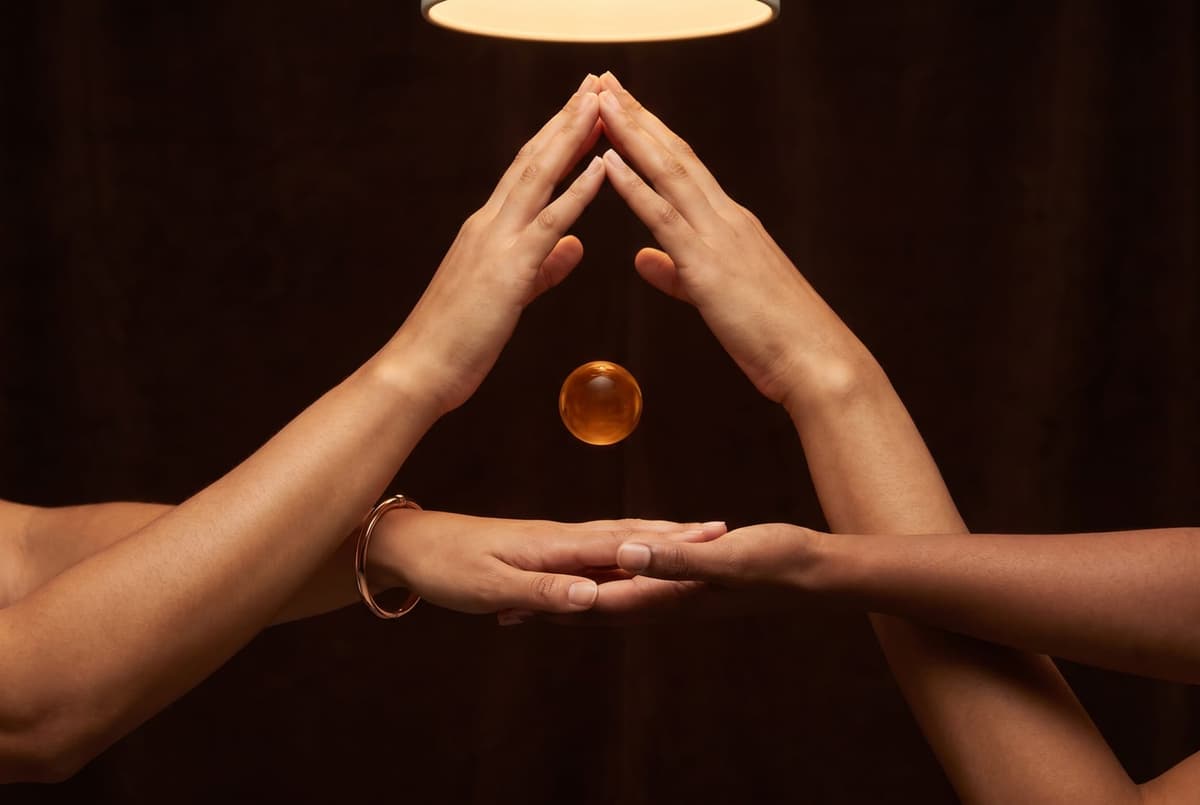
Trine — symbolic illustration

Astrological aspects · 120°

Trine in astrology

120° · Harmonious · default orb 6°

A trine is a flowing, harmonic aspect of 120 degrees that links two planets in an easy, supportive way. It tends to describe a natural talent or a comfortable rhythm between two parts of you, something that works so smoothly you may not even notice it is there. The catch with a trine is that ease can slide into being taken for granted. This is a way to notice your own patterns, not a forecast of fate, and it is offered for entertainment and self-reflection.

Oksana MiatovaWritten by Oksana Miatova

For entertainment and self-reflection only. Not medical, legal, financial or psychological advice. Consult a qualified professional for important decisions.

Every planet pair

Trines, pair by pair

Each card opens a full reading of that trine — in the natal chart, in synastry and as a transit.

Jupiter trine NeptuneRead the aspect →
Jupiter trine PlutoRead the aspect →
Jupiter trine SaturnGrowth and structure cooperate, balancing optimism with a steadying sense of limits. A measured, sustainable way of building that feels neither reckless nor rigid.Read the aspect →
Jupiter trine UranusRead the aspect →
Mars trine JupiterEnergy and optimism work together, so action tends to feel buoyant and unforced. A natural momentum that does best with a clear aim, otherwise it can drift into easy excess.Read the aspect →
Mars trine NeptuneRead the aspect →
Mars trine PlutoRead the aspect →
Mars trine SaturnDrive and discipline cooperate, giving effort a steady, patient rhythm rather than a stop-start one. Quietly effective endurance that is easy to rely on once you notice it.Read the aspect →
Mars trine UranusRead the aspect →
Mercury trine JupiterThinking and big-picture vision flow together, so ideas tend to expand easily and learning feels natural. A relaxed mental optimism that benefits from focus to become more than pleasant chatter.Read the aspect →
Mercury trine MarsRead the aspect →
Mercury trine NeptuneRead the aspect →
Mercury trine PlutoRead the aspect →
Mercury trine SaturnRead the aspect →
Mercury trine UranusRead the aspect →
Mercury trine VenusRead the aspect →
Moon trine JupiterAn emotionally warm, hopeful streak where feeling good comes fairly readily. Generous and reassuring, though best paired with awareness so the ease is actually used.Read the aspect →
Moon trine MarsRead the aspect →
Moon trine MercuryRead the aspect →
Moon trine NeptuneEmotion and imagination flow together, lending a soft, intuitive, dreamy quality to your inner world. Gentle and impressionable, useful when you stay grounded enough to notice it.Read the aspect →
Moon trine PlutoRead the aspect →
Moon trine SaturnRead the aspect →
Moon trine UranusRead the aspect →
Moon trine VenusFeelings and affection blend gently, so warmth and comfort come without much strain. A soft, easy emotional tone that is lovely to rest in and easy to undervalue.Read the aspect →
Neptune trine PlutoRead the aspect →
Saturn trine NeptuneRead the aspect →
Saturn trine PlutoRead the aspect →
Saturn trine UranusRead the aspect →
Sun trine JupiterA naturally optimistic, generous streak that tends to make confidence feel available. The ease can tip into coasting, so it rewards a little genuine effort to grow into.Read the aspect →
Sun trine MarsRead the aspect →
Sun trine MercuryRead the aspect →
Sun trine MoonIdentity and inner needs sit in easy agreement, so who you are and what you feel rarely pull against each other. A comfortable inner steadiness that is simple to lean on, and just as simple to overlook.Read the aspect →
Sun trine NeptuneIdentity and imagination blend softly, lending a gentle, intuitive, creative thread to how you see yourself. Dreamy and impressionable, clearest when paired with a little grounding.Read the aspect →
Sun trine PlutoRead the aspect →
Sun trine SaturnPurpose and discipline cooperate quietly, giving a steady, dependable quality to how you apply yourself. Reliable structure that feels less like restriction and more like a sturdy frame.Read the aspect →
Sun trine UranusRead the aspect →
Sun trine VenusSelf-expression and warmth flow together, lending an easy charm and a natural sense of what you enjoy. Pleasant and unforced, though worth noticing rather than taking as a given.Read the aspect →
Uranus trine NeptuneRead the aspect →
Uranus trine PlutoRead the aspect →
Venus trine JupiterPleasure and generosity flow freely, suggesting a relaxed, good-humoured way of relating and enjoying. Comfortable abundance of feeling that gains depth when you engage with it consciously.Read the aspect →
Venus trine MarsAffection and drive cooperate, so warmth and initiative move in step rather than clashing. An easy spark of motivation around what you value, simple to enjoy and simple to ignore.Read the aspect →
Venus trine NeptuneAffection and imagination merge gently, lending a romantic, idealistic softness to what you love. Lovely and tender, worth holding with clear eyes so the dream stays kind to you.Read the aspect →
Venus trine PlutoRead the aspect →
Venus trine SaturnRead the aspect →
Venus trine UranusRead the aspect →
Trine — symbolic still life

About the trine

What a trine is

A trine is one of the major aspects in astrology, formed when two planets sit roughly 120 degrees apart in the chart. That spacing usually puts them in signs of the same element, so they share a kind of language: two fire signs, two earth signs, and so on. Because they understand each other, the energy between them moves freely.

Astrologers describe the trine as harmonic, which is a polite way of saying it feels easy. There is little friction here, no obvious tug-of-war. Where a square might describe an inner argument, a trine describes a quiet agreement. The two planets cooperate, and whatever they represent tends to come to you without much strain.

Think of it less as a prediction and more as a lens. A trine can help you spot a place where your natural strengths line up, a corner of life where you rarely have to push. Noticing that pattern is the useful part. What you decide to do with it is entirely yours.

Strength and orb

The angle that defines a trine is 120 degrees. The closer two planets are to that exact figure, the more clearly the aspect tends to show up in how you experience yourself.

In practice, astrologers allow a margin around the exact angle, called an orb. A common default for a trine is around 6 degrees, so planets sitting anywhere from about 114 to 126 degrees apart are usually read as forming one. A trine that is almost exact often feels more pronounced than one stretched near the edge of the orb, though there is no hard line and different astrologers set their orbs a little differently.

Orb is best treated as a guide rather than a rule. A wider trine simply suggests a gentler, more background influence, while a tight one points to a pattern you may recognise more readily in everyday life.

A trine in the natal chart, in synastry and in transit

In a natal chart, a trine describes a built-in ease between two parts of your nature. The qualities of the two planets blend without much effort, which can read as a talent, a comfortable habit, or simply a strength you assume everyone shares. It is one of the gentler signatures in a birth chart, useful for understanding where you tend to flow rather than fight.

In synastry, where two charts are compared, a trine between your planet and someone else's points to an area of natural understanding. Something clicks without either of you working at it, a shared rhythm that makes part of the connection feel familiar. This is a reflective tool for thinking about how two people might relate, not a verdict on any relationship.

As a transit, a trine forms when a moving planet reaches 120 degrees from a planet in your chart. These periods are often experienced as open and unforced, a window where a particular theme feels available rather than blocked. Such a window invites you to notice and use what is on offer, since flowing energy still asks you to show up and do something with it.

How to work with a trine

The quiet trap of a trine is that ease is easy to ignore. When something comes naturally, you can stop crediting it, stop developing it, and let a real strength sit idle. A gift you never pick up is still a gift, but an unused one.

So the practical move is to name your trines out loud. Ask which parts of life rarely feel like hard work, then ask whether you have actually built on them or simply coasted. A trine often marks talent that responds beautifully to a little deliberate attention, the kind that turns a casual knack into something you trust.

Hold all of this lightly. Astrology here is a prompt for self-reflection and a bit of curiosity about your own patterns, not a promise about your future. Use a trine as a nudge to look at where you already flow, and let that noticing shape how you spend your effort.

Want the aspects between two real charts?

A full compatibility reading — every cross-aspect, sphere by sphere

A trine is one shape among many. Enter two birth dates and we’ll read the real aspects between the two charts in plain language — calculated with the Swiss Ephemeris, not a quick-and-dirty calculator.

Check your compatibilityfrom £1 · for entertainment

The other major aspects

The same planet pair takes on a very different character in each aspect.

Frequently asked questions

What does a trine mean in astrology?
A trine is a harmonic aspect of 120 degrees between two planets. It tends to describe an easy, flowing cooperation between two parts of you, often felt as a natural talent or a comfortable rhythm. It is a way to notice your patterns for self-reflection, not a forecast of fate.
What is the orb for a trine?
A common default orb for a trine is around 6 degrees, so planets roughly 114 to 126 degrees apart are usually read as forming one. A tighter trine tends to feel more noticeable than one near the edge of the orb, though astrologers set their orbs slightly differently.
Is a trine the best aspect?
Not quite. A trine is one of the easiest aspects, but ease has a downside: natural gifts can be taken for granted and left unused. It is genuinely helpful, yet the friction of harder aspects often pushes growth. Each aspect simply describes a different pattern to notice.
What's the difference between a trine and a sextile?
Both are flowing, supportive aspects, but a trine spans 120 degrees and a sextile spans 60. A trine tends to feel more automatic and effortless, while a sextile reads as an opportunity that responds when you actively take it up rather than arriving on its own.
How do I find the trines in my chart?
Calculate your natal chart with an accurate birth date, time and place, then look for planets about 120 degrees apart, usually in signs sharing an element. Most chart tools draw the aspect lines for you. Treat what you find as a prompt for reflection, offered for entertainment.
Oksana Miatova
Oksana Miatova

Astrologer, co-founder of WowAstro

Oksana Miatova is a practising astrologer and co-founder of WowAstro. Natal charts, synastry and forecasts grounded in the Western classical tradition — explained through real-life examples and plain language.

More about the author →

For entertainment and self-reflection only. Not medical, legal, financial or psychological advice. Consult a qualified professional for important decisions.