Skip to content
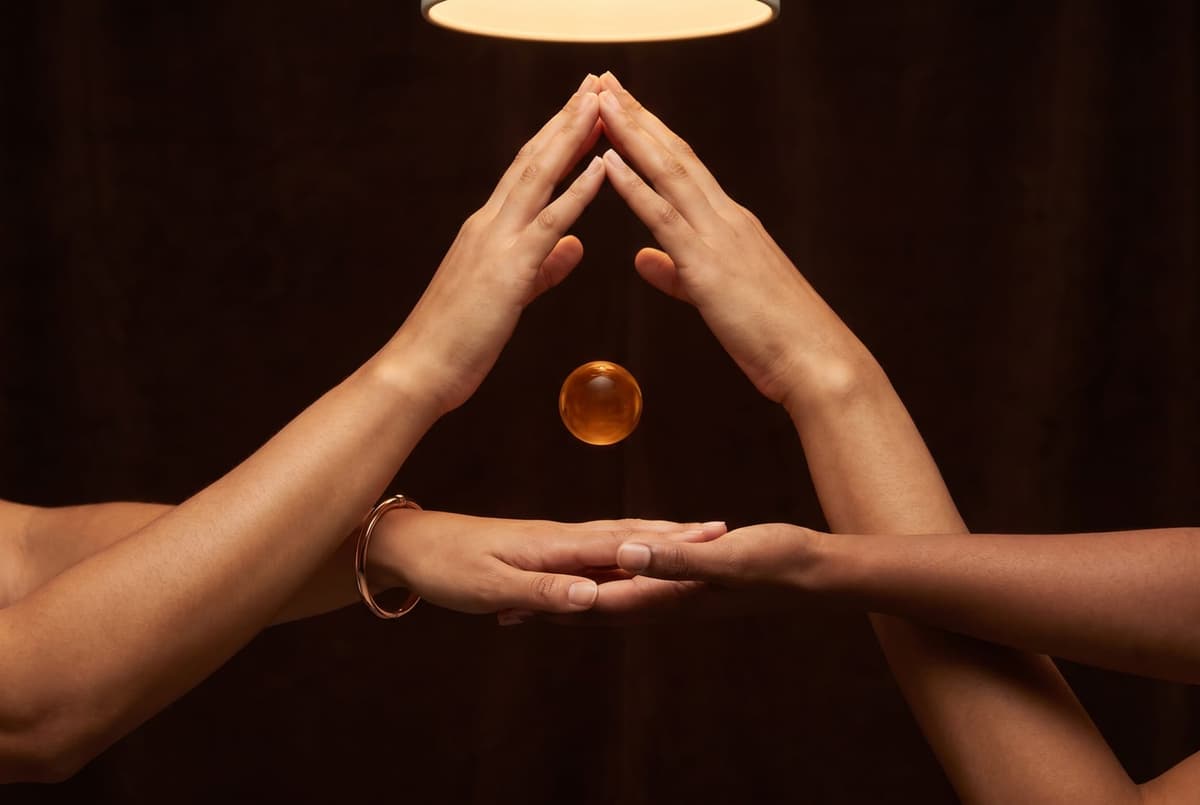
Trine Moon–Venus — symbolic illustration

Trine · 120°

Moon trine Venus

A harmonious aspect: the two planets support each other and tend to pull in the same direction. Read it as a resource to notice, not a guarantee.

120°Orb up to 6°HarmoniousNatal · synastry · transit
120°Moon trine VenusOrb up to 6° · major aspect
Oksana MiatovaWritten by Oksana Miatova·11 min read

For entertainment and self-reflection only. Not medical, legal, financial or psychological advice. Consult a qualified professional for important decisions.

The short answer

Moon trine Venus is a harmonious 120° aspect where feeling and affection flow down the same channel. In the natal chart it gives an inborn ease with warmth and beauty; in synastry it lays a calm, comfortable foundation; in transit it opens a short, soft window. Its catch is that it works best only when you reach for it on purpose.

What a trine is

The geometry behind the reading

A trine is an aspect of 120 degrees, a third of the circle, and geometrically it draws an equilateral triangle between the two planets. In the astrological tradition it is treated as the most settled of the harmonious aspects. The two planets usually sit in signs of the same element — fire, earth, air or water — so they speak the same inner language, and energy passes from one to the other without resistance or any narrow place to squeeze through. The classical orb for a trine is six degrees, though for aspects involving the Moon I'll sometimes stretch that to eight. Where a conjunction fuses two planets into one impulse and a square sends a jolt of current, the trine simply hums along like a background sense of wellbeing. For the Moon and Venus that hum is the easy meeting of how you feel and what you find lovely — which is exactly why people so often take it for granted and never unfold it to its full reach.

Three ways to read it

The same aspect, three different stories

One aspect reads differently depending on where you find it: inside a single birth chart, between two people, or moving across the sky right now. Read each as a way to notice patterns, not as a forecast.

Moon trine Venus in the natal chart

If this trine sits in your natal chart, there's a soft note that has lived in your character since childhood, and other people tend to catch it before you do. The Moon governs how you feel and how you know to settle yourself; Venus governs what you count as beautiful and pleasant. When the two stand in a harmonious trine, there's no quarrel between those domains. You're comfortable in your own skin, you like what you need and you need what you like. That kind of inner agreement is rare, and from the outside it looks like charm with no effort behind it.

As a child, someone with this aspect bonds easily with a parent, eats willingly, sleeps calmly, loves soft toys and lovely things. A girl tends to notice clothes early; a boy reaches early for the warmth of home. In adolescence the aspect shows in a sense of style, in the knack of finding your own look, in an unfussy relationship with your own body. People with this trine have their hard stretches too, of course, but they ride them out more gently than those with a tense Moon and Venus — there's an inner resource of comfort to fall back on, whether that's a meal, a bath, a long walk or a talk with a close friend.

In adult life the trine works like an invisible helping hand in relationships. Partners read you as warm, understanding and undramatic. The home you make is usually a comfortable one — not necessarily expensive, but always thought through by feel. You know what a room should smell like, which mug warms the hands, which blanket helps you drop off. That knowledge isn't learnt; it's built in.

But there is a far side to it, and it deserves saying honestly. A harmonious aspect is one with no resistance in it. And where there's no resistance, there's no reason to push. A good number of people with this trine live in a holding pattern of waiting to see what life will offer. And life does offer: likeable partners, decent work, perfectly respectable relationships. Just without the choosing, the deciding, the aiming at anything. They accept what comes, because what comes is usually warm enough to keep — and they can walk straight past the person or the path they actually needed, because that one would have asked them to do some work.

The same goes for talent. Many people with this trine have an obvious eye and an obvious charm, and never turn it into anything. Friends say, "you've got such taste, you should open a studio," and they answer, "oh, I just do it for myself." And on they go, making lovely stories, keeping their own flat cosy, cooking dinners for friends. The gift stays in the circle of people they already know.

To unfold this trine to its full reach, you have to introduce a deliberate effort exactly where life isn't forcing one on you. Set yourself the brief: my softness is a profession, my aesthetic is a product, my care is a service. Where you point it depends on the whole chart, but the options are familiar enough — interior design, styling, cooking and patisserie, psychology and therapy, work with children or the elderly, any gentle field where atmosphere has to be created. Everywhere that other people have to learn how to be warm, you arrive warm by default, and that is something people will pay for.

The second important point is to separate comfort from meaning. The trine hands you comfort with no input from you. Meaning, nobody hands you, ever. Meaning you add by a decision: I don't just want to live well, I want to make something. That's the moment the trine stops being a cushion and becomes a tool. The cushion still matters — nobody's taking it away — but if a life shrinks down to the cushion alone, the softness slowly eats the ambition. The clearest way to see how your particular trine sits inside the wider configuration of your chart, and what it's actually built to deliver, is to read the whole natal chart together rather than this one aspect in isolation.

When it flows

  • An ease with emotional closeness — you can give and receive affection without drama
  • A natural eye for beauty, especially the homely kind: comfort, atmosphere and the feel of a room
  • A charm that works on its own, with no performance and no effort behind it
  • A gift for soothing yourself through simple pleasures — food, scent, soft fabrics, music

When it grates

  • A habit of drifting in relationships — choosing whoever is easy rather than whoever is right
  • A tendency to eat or shop your anxiety away instead of actually feeling it
  • Charm that never becomes a career, because nothing ever forced you to fight for it
  • A pull towards comfort: where others move because of pain, you simply stay where it's warm

The shadow side, and what to do with it

The shadow of this trine is passivity wearing the mask of peaceableness. When feeling never hurts and beauty arrives unasked, it becomes easy to stop choosing altogether. People with this aspect often describe a string of perfectly nice partners and warm relationships where, somehow, nothing serious ever took root — they simply went through life accepting what was offered. Integration means a deliberate step from receiving to making. The useful question is not 'what do I like' but 'what am I building'. Pointing the gift for beauty at something real — interiors, clothes, cooking, design, therapy, art — turns softness into something you produce rather than merely a mood you live in. Treat all of this as a lens for noticing patterns, not a verdict on your life.

Trine — symbolic still life

How close is close

The orb decides the volume

A trine is rarely exact. The smaller the gap between the two planets — the orb — the louder the aspect plays. Here is roughly how the three bands read.

Tight

0–2°

Reads as a defining feature

At 0–2° the trine works at full strength and reads as a recognisable trait of character — something other people notice and remark on, not just the astrologer looking at the chart. In the natal chart it shows as an inborn feel for beauty and an emotional steadiness present from early childhood. In synastry it's an attraction you can feel on the skin. In transit it's a day that stays with you for its sense of rightness. In this band the aspect is the clear keynote of how warmth shows up.

Medium

2–5°

A steady background pattern

At 2–5° the trine is a meaningful background feature, visible in both character and relationships, but it asks to be noticed and switched on rather than running the show. In the natal chart the person has real gentleness and taste yet may not count it as a strength at all. In synastry it lays an even, warm field on which the other contacts in the chart sound more clearly. In transit it gives a few days of favourable mood that are all too easy to live through without ever using them.

Loose

5–8°

A faint colouring, felt in crises

At 5–8° the trine is more felt than worked — a soft note among others rather than the lead. In the natal chart it's a mild trait of character, not the headline. In synastry it's a small plus to compatibility, never the deciding factor. In transit it's a light lift in mood with no vivid event attached. In this band the aspect behaves more like an extra coat of primer than a force in its own right, and the element and house it falls in matter more than the trine itself.

Trine with a partner — what does it mean for the two of you?

A full synastry reading — every aspect between your two charts

Moon trine Venus inside one chart is an inner mechanism. Between two charts it becomes the dynamic of a relationship. Enter both birth details and get a synastry reading — where the conjunctions sit, where the squares pull, where the oppositions draw you together — all calculated with the Swiss Ephemeris. Read it as a way to notice patterns, not a forecast.

Check your compatibilityfrom £1 · for entertainment

Compare with a neighbouring aspect

Same planets, a different distance

Moon square Venus tells a different story. If you're reading this to make sense of a specific chart, it's worth glancing at the neighbouring aspect too.

Moon square Venus
  • A square sets the Moon and Venus at odds — feeling wants one thing, values another — and that friction becomes fuel for growth
  • The trine harmonises and can therefore lull you to sleep; the square irritates and therefore wakes you up
  • The square forces a choice between need and pleasure; the trine lets you have both at once
  • People with the square often grow stronger in love and aesthetics, because they had no choice but to work it out
  • An unworked trine stays a talent for the home; a worked-through square becomes a craft for the world

Lived examples

A few charts where you can see it

Public figures with a verified Rodden birth-data rating (AA/A/B). No invented data.

Frequently asked questions

What does Moon trine Venus mean in the natal chart?
It means your feelings and your values run in the same element, so you can be gentle, charming and caring without inner struggle or strain. It's an aspect of inborn emotional taste — you're at home in your own skin, you like what you need and need what you like. The flip side is passivity: when something is easy, it's also easy not to move, so the talent often stays in the realm of home and personal life and never quite becomes a craft or a career. Read it as a pattern to notice, not a verdict on who you are.
Is Moon trine Venus good in synastry?
Yes — it's one of the warmest contacts there is between two people. It brings ease to the everyday and the emotional side of life, shared tastes and a steady field with none of the see-sawing. But a single trine won't keep a relationship going; it doesn't bind, it doesn't kindle passion and it sets no shared tasks. If there's nothing else serious in the synastry, a couple can simply drift apart from boredom. The trine works best alongside other, more active aspects. As always, this is a way to understand a relationship's patterns, not a prediction about it.
What orb should I use for Moon trine Venus?
The classical orb for a trine is 6°, and for aspects involving the Moon some astrologers allow up to 8°. From 0–2° the aspect works very plainly and recognisably. From 2–5° it's clear but softer. From 5–8° it gives more of a background lift than a defining trait. The tighter the orb, the cleaner and steadier the expression. For self-reflection, that quick check of the gap between your Moon and Venus is all you need.
Which celebrities have Moon trine Venus?
Among public figures with harmonious Moon–Venus links, Audrey Hepburn (style and charm as a profession) and Princess Diana (a warm manner with the public) are often cited. It's worth understanding that the aspect doesn't make anyone a star by itself — it only gives gentleness and aesthetic taste. A person becomes a public figure on the strength of the whole chart, not a single trine. For an aspect this specific, it's always worth checking a chart against AstroDatabank at a Rodden rating of AA or A before relying on it.
Is Moon trine Venus different for men and women?
The principle is the same, but the colouring differs. In a woman's chart the trine often reads as a natural, warm, receptive femininity. In a man's chart it gives an ability to see and value beauty, to understand a woman's emotions, and to choose a partner out of fondness rather than rivalry. Men with this aspect often turn out to be good fathers and comfortable husbands, though they can flinch from the tougher scripts life throws up. None of this is destiny; it's simply a lens for noticing.
What do I do if my natal Moon trine Venus is unrealised?
Deliberately look for a field where softness becomes a profession: aesthetics, design, cooking, psychology, therapy, work with children, art, fashion. Set yourself the task of giving rather than just receiving — what you make beautiful and warm comes hard to a lot of people. And separate comfort from meaning: the trine will hand you comfort for free, but meaning you have to add by a decision of your own. That's the move that turns a cushion into a tool.
How do I use a transiting Moon trine Venus?
It's a short window of favourable mood, ideal for building in an event that needs gentleness and charm — making peace after a quarrel, asking for a rise in the right tone, an important date, a pitch, a negotiation. Don't spend the whole window only on resting; it works as both a resource and an instrument. Afterwards you'll often notice that the conversation went more easily than it might have. Plan the meeting a day or two ahead, for the hours the transit is exact, and you turn a nice day into a tool that serves a longer aim.
Moon trine Venus and marriage — what does it mean?
In synastry this aspect speaks of practical and emotional compatibility, which matters a great deal for a long marriage. You'll find it easy to live under one roof; your habits and tastes are likely to line up. But the aspect doesn't decide the question of marriage — for a durable union you also want contacts between the Suns and Saturn, links between the rulers of the 7th house, and a genuine overlap of life goals. The trine makes the soil a marriage feels good in; what you plant in it is up to you both.
Can Moon trine Venus make up for a difficult chart?
Partly. It softens a person's reactions to stress, gives an inner resource of self-soothing and a warm circle of people. But if the chart holds hard configurations with Saturn, Pluto or Mars, the trine won't cancel their scripts. It offers pauses and refuges between the difficult episodes rather than changing the overall shape of a life. Think of it as a safety cushion, not a suit of armour — and, like everything here, as a way to reflect rather than a forecast.

Related pages

The other aspects between Moon and Venus

The same two planets at a different angle — each reads differently.

Oksana Miatova
Oksana Miatova

Astrologer, co-founder of WowAstro

Oksana Miatova is a practising astrologer and co-founder of WowAstro. Natal charts, synastry and forecasts grounded in the Western classical tradition — explained through real-life examples and plain language.

More about the author →

For entertainment and self-reflection only. Not medical, legal, financial or psychological advice. Consult a qualified professional for important decisions.