Skip to content
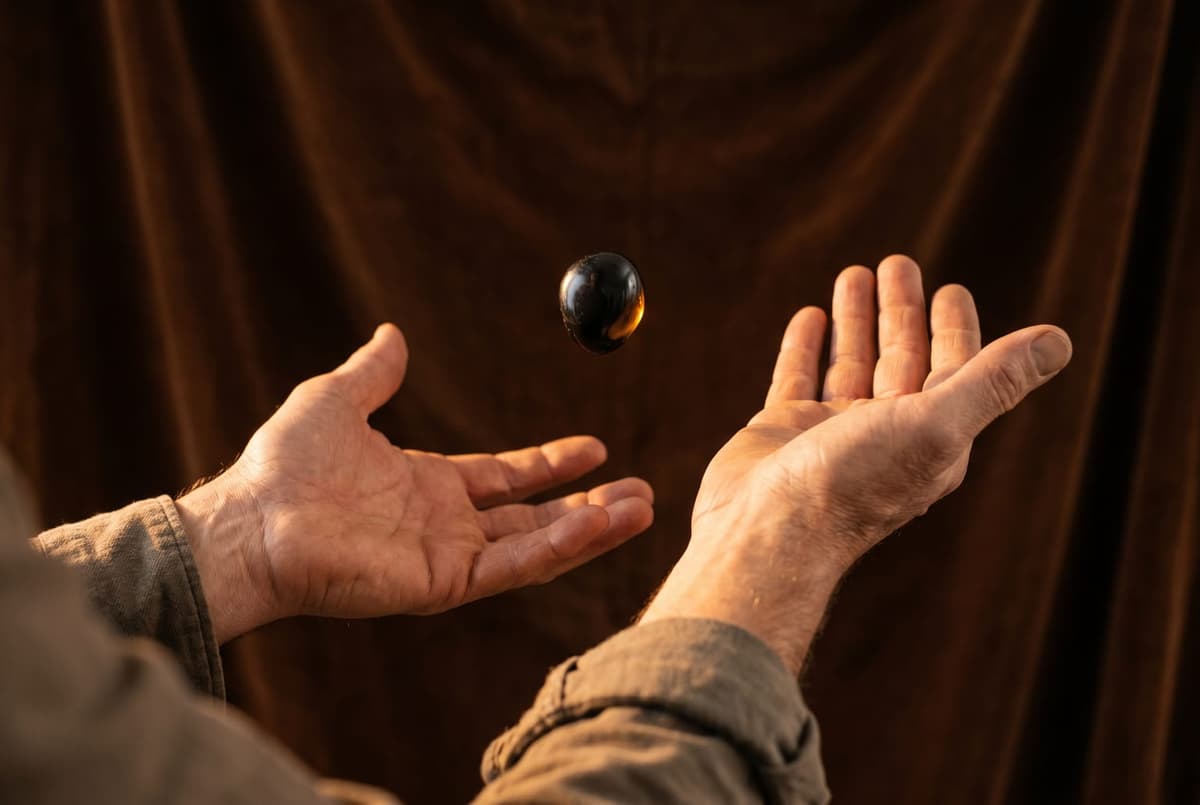
Sextile Moon–Venus — symbolic illustration

Sextile · 60°

Moon sextile Venus

A harmonious aspect: the two planets support each other and tend to pull in the same direction. Read it as a resource to notice, not a guarantee.

60°Orb up to 4°HarmoniousNatal · synastry · transit
60°Moon sextile VenusOrb up to 4° · major aspect
Oksana MiatovaWritten by Oksana Miatova·10 min read

For entertainment and self-reflection only. Not medical, legal, financial or psychological advice. Consult a qualified professional for important decisions.

The short answer

Moon sextile Venus is a soft, easy harmony between what you feel and what you find lovely. Emotion and affection face the same way, so warmth and good taste come naturally; but the aspect works quietly and is easy to sleep through unless you take the first step yourself.

What a sextile is

The geometry behind the reading

A sextile is a separation of sixty degrees between two planets — a sixth of the zodiac, one step gentler than the trine and one step further from the friction of the square. Among the major aspects it sits fourth in raw strength: quieter than the conjunction, the square or the opposition, but in some ways more honest than the trine, which often runs on autopilot. The textbook orb is up to about four degrees, and with the Moon involved I'll widen that to five or six. The character of a sextile is invitation rather than insistence — it shows you a door, but it won't push you through it. Give it a deliberate action, a choice, a repeated habit, and the energy switches on and pays off. Leave it alone and it stays a background hum that rarely steps forward. For the Moon and Venus, the door opens onto feeling and affection: the part of you that needs comfort and the part of you that needs beauty are working with each other rather than at cross purposes.

Three ways to read it

The same aspect, three different stories

One aspect reads differently depending on where you find it: inside a single birth chart, between two people, or moving across the sky right now. Read each as a way to notice patterns, not as a forecast.

Moon sextile Venus in the natal chart

If Moon sextile Venus sits in your natal chart, the first thing other people tend to say about you isn't that you're clever or talented — it's that you're easy to be around. That isn't a judgement on your mind, it's a remark about temperature, about the warmth you generate in a room. In astrology the Moon carries your emotional nature: how you feel, what settles you, which emotional language is your mother tongue. Venus carries affection, aesthetics, the capacity to charm and to see beauty. When a soft sixty-degree angle stands between the two, those spheres are in tune. Feeling doesn't war with the wish to be liked; taste doesn't pull against your inner sense of yourself. The result is a person whose emotions and whose eye work together.

In practice it looks very ordinary. You can lay a table so that a simple supper turns into a memory. You sense which music suits a mood, what light a room needs, what to give a friend so that she understands she's loved. None of it is the product of special training — it's a built-in setting that runs in the background. And it's precisely in that background character that the aspect's main difficulty hides.

A sextile doesn't shout about itself. It won't force you into action the way a square does, and it won't do all the work for you the way a trine does. It opens a door and waits. If you don't notice the door, the aspect stays a hum and, over time, loses its voice. So people with this aspect often live with a vague sense that there's always warmth around them, yet they don't quite feel it as a gift of their own. They take their emotional softness and their eye for beauty as a given, and never invest either in anything.

The second trap is the comfort zone in feeling. When nothing hurts you quite as sharply as it seems to hurt others, the temptation is to avoid difficult emotions altogether: not to discuss, not to dig, not to go anywhere that might turn unpleasant. Venus wants things to be lovely. The Moon wants things to be calm. Their alliance slides very easily into a quiet pact with yourself — let's keep up the appearance that all is well until it genuinely isn't. People with this aspect often stay too long in relationships that have stopped working, because a break is ugly and painful, and the aspect would rather smooth things over than face them.

The third layer is a laziness about initiative. The sextile runs on a simple rule: take a step and I'll join in. Wait to be summoned, invited, recognised, declared to, and it stays silent. Write first, give for no reason, start the conversation everyone else is putting off, and it begins to sound. This is about active gentleness, not passive niceness — and the distinction matters more than it looks, because the whole gift lives on the active side of that line.

The sign and house the sextile falls in colour all of this. In fire and air it tends to surface as sociability, an easy charm, a feel for the right word and the right room. In earth it grounds into a craft you can hold in your hands — cooking, dressmaking, making a house solid as well as pretty. In water it deepens towards empathy and an instinct for what someone needs before they've said it, often with a thread of care work or art running through a life. The pair gives the same warmth in each case; what changes is the channel it runs down.

For the aspect to open up, it needs a task. For some people that becomes a craft — interiors, fashion, cooking, psychology, any field where feeling and taste meet. For others it's relationships they pour themselves into actively rather than watch from the sidelines. For others again it's a home they turn into a living space rather than a handsome cover. When the softness becomes material, the sextile stops being an ornament and turns into a support beam of a life. To see exactly how it plays out for you — the sign, the house, and the aspects to other planets, the Moon and Venus among them — the whole chart has to be read together.

When it flows

  • A warm emotional palette — your feelings find a graceful way of showing themselves
  • A natural eye for beauty: taste in clothes, in your home, in the small things
  • The knack of making a place feel welcoming where others just see a room
  • Easy sociability — you're liked without trying, especially inside your close circle

When it grates

  • A comfort zone in your feelings, and a quiet habit of dodging the difficult conversation
  • A certain laziness in relationships — waiting to be approached rather than moving towards someone
  • Beauty as a screen: a lovely surface standing in for an honest look at yourself
  • Undervaluing your own gift, because the sextile works so softly it's easy to overlook

The shadow side, and what to do with it

The shadow of this sextile isn't drama, it's silence. When feeling and the wish to be liked are already in tune, you grow used to warmth and comfort arriving on their own, and that dulls the appetite that drives real growth. Integration begins the moment you stop treating the warmth as a given and ask which parts of your life you've actually built and which have simply drifted in on momentum. The sextile opens up when you set it a task — learning a craft, working at a relationship on purpose, making a home that's alive rather than merely pretty. At that point the softness becomes raw material instead of a hiding place.

Sextile — symbolic still life

How close is close

The orb decides the volume

A sextile is rarely exact. The smaller the gap between the two planets — the orb — the louder the aspect plays. Here is roughly how the three bands read.

Tight

0–2°

Reads as a defining feature

At 0–2° the sextile is exact and works at full strength, and you can genuinely feel it. In the natal chart it gives a steady background of warm sensitivity and an eye for beauty: you create comfort and you're liked almost without thinking about it. In synastry it shows as a settled compatibility of taste and emotional rhythm. In transit a tight orb gives a real, short window — a good day for a conversation, for making peace, for a gentle start.

Medium

2–5°

A steady background pattern

At 2–4° the aspect is a solid working orb, but it's no longer on the surface. In the natal chart it surfaces in the moments when you switch your feelings and your taste on deliberately. In a relationship it gives good compatibility but asks both partners to pay attention to each other's emotional language. In transit the effect is noticeable but softer than the exact aspect — it holds the mood without dictating events.

Loose

5–8°

A faint colouring, felt in crises

At 4–6° the orb is wide and the aspect is more of a background presence. In the natal chart this sextile is easy to sleep through entirely: you rarely connect your warm states with any astrological source. In a couple it's a pleasant layer but not a defining one. In transit a wide orb gives a vague window of a day or two, with the softness present but needing to be noticed and used on purpose.

Sextile with a partner — what does it mean for the two of you?

A full synastry reading — every aspect between your two charts

Moon sextile Venus inside one chart is an inner mechanism. Between two charts it becomes the dynamic of a relationship. Enter both birth details and get a synastry reading — where the conjunctions sit, where the squares pull, where the oppositions draw you together — all calculated with the Swiss Ephemeris. Read it as a way to notice patterns, not a forecast.

Check your compatibilityfrom £1 · for entertainment

Compare with a neighbouring aspect

Same planets, a different distance

Moon square Venus tells a different story. If you're reading this to make sense of a specific chart, it's worth glancing at the neighbouring aspect too.

Moon square Venus
  • The sextile offers harmony between feeling and the wish to be liked; the square sets them arguing
  • In the sextile warmth arrives easily and is easy to miss; in the square it has to be fought for
  • Someone with the sextile can sleep through their gift; someone with the square is bound to meet it through conflict
  • In synastry the sextile gives a cosy compatibility; the square draws people together through irritation and misreading
  • A transiting sextile is a window for soft action; a transiting square is a point where you're made to choose

Lived examples

A few charts where you can see it

Public figures with a verified Rodden birth-data rating (AA/A/B). No invented data.

Frequently asked questions

What does Moon sextile Venus mean in the natal chart?
It's a soft, harmonious aspect between your emotional nature and your sphere of affection. You tend to create warmth around you, you have an inborn sense of taste, and you're liked easily. The aspect works quietly — its strength only really shows when you take the first step yourself rather than waiting for life to bring everything on a plate. Read it as a pattern to notice, not a verdict on who you are.
Is Moon sextile Venus good in synastry?
It's one of the cosiest aspects a couple can share. Your tastes line up, it's easy to live in the same space, there's a real everyday compatibility and a warm liking. The one drawback is that it can be too comfortable, so passion or growth usually need other strong contacts to back them up. On its own the sextile builds a good foundation, but it doesn't guarantee a deep, passionate bond. As ever, this is a way of understanding a relationship's patterns, not a prediction about it.
What orb should I use for Moon sextile Venus?
The classic orb for a sextile is about 4°. With the Moon and Venus involved you can stretch it to 5–6° if you want to catch the subtler influences. The most noticeable effect is in the 0–2° band, where the aspect works clearly and steadily. From 4–6° it becomes background that only surfaces in particular moments. Past that it's generally treated as having faded out.
Which celebrities have Moon sextile Venus?
Among public figures, Audrey Hepburn and Princess Diana both carry this aspect. Both are remembered for a rare blend of aesthetic instinct and warm humanity that did more for their charitable work and public image than any loud action. As always, charts are worth verifying against AstroDatabank at a Rodden rating of AA or A before you rely on them.
How is Moon sextile Venus different from a trine?
A trine gives a talent that runs almost on its own — you charm and you feel without effort. The sextile offers the same harmony but asks to be switched on: a small action, an initiative, a conscious choice. The trine is easier; the sextile is more honest. It won't do the work in your place, but it opens up the moment you take a step.
Is Moon sextile Venus different for women and men?
The underlying nature is the same — a harmony between feeling and the wish to be liked. In a woman's chart it tends to show through outward aesthetics, relationships and a maternal softness. In a man's chart it more often shows in the ability to make a home, to choose a partner by emotional resonance, and in an artistic eye. The social colouring differs; the astrological meaning doesn't. None of this is destiny, only a lens for noticing.
Can you sleep through Moon sextile Venus?
You can, and it's the commonest fate of this aspect. The harmony works quietly, with no alarm bells. If you grow used to warmth arriving on its own, you stop taking responsibility for it and slowly lose the knack of building connection actively. The aspect turns into a comfortable inertia instead of a resource — which is exactly why it pays to give it something to do.
How do I activate Moon sextile Venus in the natal chart?
Through actions that call on feeling and taste at once: making a home, caring for the people close to you through food and atmosphere, a craft tied to beauty, a deliberate effort put into your relationships. The sextile needs a task — and when it gets one, the softness becomes the material you build your life out of rather than a decoration on top of it.
What does a transiting Moon sextile to natal Venus give?
A short window, often a day or two, in which it's easier to reach for your feelings and your attachments. It suits conversations about the people close to you, gentle reconciliation, aesthetic choices — refreshing your interior, your wardrobe, doing something kind for yourself. The transit is soft, so it's easy to miss if you live on autopilot. To know exactly when it reaches your own chart, it has to be calculated against your natal positions — and for entertainment and self-reflection, that quick check is all you need.

Related pages

The other aspects between Moon and Venus

The same two planets at a different angle — each reads differently.

Oksana Miatova
Oksana Miatova

Astrologer, co-founder of WowAstro

Oksana Miatova is a practising astrologer and co-founder of WowAstro. Natal charts, synastry and forecasts grounded in the Western classical tradition — explained through real-life examples and plain language.

More about the author →

For entertainment and self-reflection only. Not medical, legal, financial or psychological advice. Consult a qualified professional for important decisions.