Skip to content
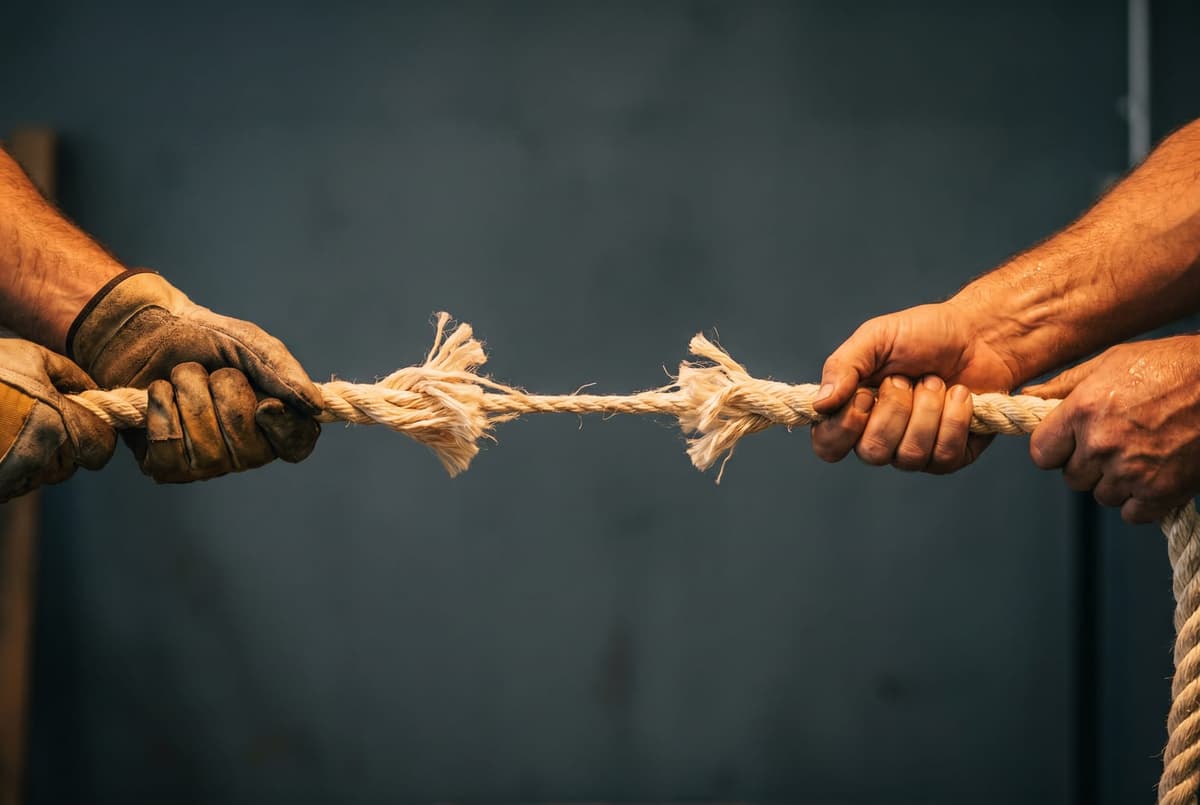
Square Neptune–Pluto — symbolic illustration

Square · 90°

Neptune square Pluto

A challenging aspect: the two planets rub against each other and ask for conscious handling. Tension here is a source of movement, not a verdict.

90°Orb up to 6°ChallengingNatal · synastry · transit
90°Neptune square PlutoOrb up to 6° · major aspect
Oksana MiatovaWritten by Oksana Miatova·13 min read

For entertainment and self-reflection only. Not medical, legal, financial or psychological advice. Consult a qualified professional for important decisions.

The short answer

Neptune square Pluto sets the two slowest forces in the psyche at right angles to one another. Neptune dissolves what Pluto wants to melt down, Pluto presses on the very place Neptune is trying to escape into. In the natal chart it gives a person — and a whole generation — in whom the pull to dissolve and the pull to be reborn refuse to leave each other alone, and it is out of that friction that real inner work is born.

What a square is

The geometry behind the reading

A square is a ninety-degree angle between two planets — the point where their functions meet head-on and neither can step around the other. In the hierarchy of aspects the square sits second in strength after the conjunction, and it is read with an orb of up to six degrees. Its tone is tense, but that tension is not a punishment written into the chart, it is its engine: a square forces you to act, because the pressure has nowhere else to drain. Neptune and Pluto are the two slowest-moving planets in the system, which makes their square generational and intensely personal at once. Generational, because everyone born across the same span of years carries it. Personal, because in each individual chart it falls in particular houses, with its own rulerships and its own contacts to the faster planets. The geometry is identical, the contents are not, and the same tension that produces a visionary artist in one chart produces a psychotherapist with a heavy biography in another, and in a third a person caught for years in a long dependency, unable to tell where they end and the habit of self-destruction begins.

Three ways to read it

The same aspect, three different stories

One aspect reads differently depending on where you find it: inside a single birth chart, between two people, or moving across the sky right now. Read each as a way to notice patterns, not as a forecast.

Neptune square Pluto in the natal chart

If Neptune square Pluto sits in your natal chart, the two slowest and most far-reaching functions of the psyche have been in a state of quiet, almost soundless argument since childhood. Neptune blurs edges, pulls upward, looks for dissolution in something larger than the personal self. Pluto does the opposite — it bears down on whatever is most personal and wants to melt it down past recognition. When those two forces stand at a right angle, a person carries a built-in inner fault line from the very start, and very few people learn to walk it carefully in the ordinary run of life. A small child with this square often senses far too early that another, darker, more serious life is running underneath the ordinary day. They react to the atmosphere of adult conversations before those conversations have finished, and they grow up accustomed to the feeling that the world is more complicated than the version they are shown.

In adolescence the fault line usually announces itself through the first encounters with the big themes — death, faith, the mind, heavy music, serious cinema, philosophy. For one teenager it is a turn towards art, for another towards spiritual practice, for a third towards unhealthy company. All three are doing the same job for the aspect: finding somewhere to put a tension that has nowhere else to go. Where a place is found, the person slowly begins to assemble their own way of handling the energy. Where it isn't, the tension goes inward and returns years later as dependency, as a long depression, or as a fated bond in which it's impossible to say whether what's between you is love, a shared dependency, or simply a shared dark task.

Inside this configuration lives a real resource. The most visible part of it is the ability to see the depth of a person or a situation without looking away. People with Neptune square Pluto are rarely naïve much past their mid-twenties. They notice the cracks in other people's words, they sense the false bottom in a beautiful promise, they lose their illusions about family, about power, about love earlier than most. That brings an early adulthood and, at the same time, robs them of the lightness that helps so many others get through their youth. The aspect is often linked to a strong artistic gift for darker subjects and to a real fitness for work with people in crisis — therapy, palliative care, addiction work, crisis counselling. Stamina in one's own crises is a separate gift altogether, showing up as the ability not to fall apart in places where someone else would scatter.

That same resource turns into a trap with surprising ease. Neptune blurs the test you would normally use to check yourself, Pluto presses exactly where it hurts, and together they can sustain a script for years in which it seems deep work is going on when what's actually happening is a slow disintegration. Three zones are especially risky. The first is substances and any state in which the boundary between 'self' and 'not-self' dissolves — alcohol, drugs, long stretches of esoteric practice without a guide, any route out of yourself that doesn't come with a return ticket. The second is the fated bond: a person with this aspect is easily drawn to a partner in whom rescuer and tormentor are mixed, and they struggle to leave because the connection feels necessary for some large inner task. The third is the all-or-nothing idea or group — a movement, an ideology, any structure that asks for everything in exchange for the promise of total transformation.

With age the aspect tends to unfold along a recognisable line. Before thirty it often works as a background hum a person grows used to and barely notices. Between thirty and forty come the first serious crises in which the nature of the aspect shows in its pure form — a hard divorce, the loss of someone close, a professional collapse, illness, a head-on meeting with one's own dependencies. Around forty, when transiting Pluto or Neptune comes into square with its own natal position, the main reckoning arrives: a period when what has been accumulating for years rises to the surface and asks for an answer. A person who reaches that age with outside handholds in place tends to grow into a mature form of the aspect — the capacity to work with depth in themselves and in others without losing themselves in the process. None of this is fixed; it is a tendency to be aware of, not a fate to submit to.

Integrating this square asks for one habit that runs directly against its grain: leaning on the outside before you trust the inside. A dream written down, a wave of anxiety marked in the diary, a therapist's name in your phone, a specific person to call on a heavy day. Any handhold you can physically touch helps you stay afloat. When an inner storm has an outside witness, it becomes material for growth rather than an occasion to come apart. In the long run this aspect is one of the chart's hardest and, at the very same time, one of its most valuable gifts. It is harder than most to come through your youth without scars, and easier than most to arrive at maturity with a genuine depth that simply never opens for many people. If you want to see how exactly Neptune square Pluto works in your own chart — which houses it falls in and which faster planets it touches — that is the sensible first step, and one to take for reflection rather than for prediction.

When it flows

  • An early sense that stronger currents run beneath the visible surface of life than most people notice
  • An ability to look at the dark side of people and situations without flinching and without going numb
  • A natural pull towards depth psychology, serious art, and the themes of death, faith and rebirth
  • An unusual stamina in crises that most people cannot pass through without an outside hand to hold

When it grates

  • A long dependency in which it becomes impossible to separate a weakening of will from a genuine hunger for transformation
  • Heavy, blurred stretches of mood where it feels as though something invisible is quietly falling apart
  • An attraction to destructive stories, people and groups that promise total transformation
  • Difficulty telling healthy change apart from slow self-destruction dressed in beautiful words

The shadow side, and what to do with it

The shadow side of Neptune square Pluto is a slow confusion between dissolving and being reborn. At first it looks like deep inner work; later it looks like a life simply coming apart, and the line between the two is precisely this aspect's blind spot. Integration begins with one plain rule — log the facts on the outside before you trust the states on the inside. A dream written down, a wave of anxiety marked in the diary, the name of a therapist you can actually call, one specific person to ring on a bad day. Any handhold you can physically touch helps you stay afloat. When an inner storm has an outside witness, it turns into material for growth rather than an excuse to fall apart. None of this is a verdict on your life; it is a pattern worth watching.

Square — symbolic still life

How close is close

The orb decides the volume

A square is rarely exact. The smaller the gap between the two planets — the orb — the louder the aspect plays. Here is roughly how the three bands read.

Tight

0–2°

Reads as a defining feature

At 0–2° the square reads as a permanent background fault line that a person lives alongside their whole life. The pull to dissolve and the pull to be reborn run in the same narrow band and barely give each other a pause. This is the band where you most often meet both the serious artist drawn to dark themes and the therapist carrying a heavy biography of their own — and, at the same time, people caught for years in a dependency they cannot leave. The tight orb sharpens both poles, which is exactly why an early outside handhold — therapy, a mentor, a serious practice — is the best insurance there is.

Medium

2–5°

A steady background pattern

At 2–5° the square works as a marked line in the character without taking over the whole chart. There are periodic waves of blurriness alongside a hunger for deep change, and a person may go years without understanding their nature before finding their own way to work with them — through creativity, psychology or contemplative practice. In this band the square shows itself most clearly at the age peaks, around forty, when transiting Pluto and Neptune come into square with their own positions.

Loose

5–8°

A faint colouring, felt in crises

At 5–8° the square acts as a soft generational tuning rather than the structure of the personality. It surfaces in the choice of themes and profession, in a leaning towards serious literature and cinema, towards questions of boundaries, the shadow side of the psyche, the existential crises most people would rather not name. In ordinary life it is almost invisible, but in your own crisis moments you go into that material far deeper than most of your peers. At the wide orb the aspect's main risks are softened — and so, honestly, is its deeper power, diluted by the other configurations of the chart.

Square with a partner — what does it mean for the two of you?

A full synastry reading — every aspect between your two charts

Neptune square Pluto inside one chart is an inner mechanism. Between two charts it becomes the dynamic of a relationship. Enter both birth details and get a synastry reading — where the conjunctions sit, where the squares pull, where the oppositions draw you together — all calculated with the Swiss Ephemeris. Read it as a way to notice patterns, not a forecast.

Check your compatibilityfrom £1 · for entertainment

Compare with a neighbouring aspect

Same planets, a different distance

Neptune trine Pluto tells a different story. If you're reading this to make sense of a specific chart, it's worth glancing at the neighbouring aspect too.

Neptune trine Pluto
  • A trine lets dissolving and rebirth support one another and flow in a single current; the square sets them at right angles and forces you to choose
  • The trine gives easy access to deep material without an obligatory personal crisis; the square leads through crisis as the only available route
  • Under the trine a person tends to become a carrier of subtle meaning gently; under the square it comes through their own lived experience of falling apart and rebuilding
  • In synastry the trine creates an even sense of deep compatibility; the square creates a heavy bond that either leads to real growth for both or to a long shared undoing

Lived examples

A few charts where you can see it

Public figures with a verified Rodden birth-data rating (AA/A/B). No invented data.

Frequently asked questions

What does Neptune square Pluto mean in the natal chart?
It is a deep tension between dissolving and being reborn. From childhood a person senses darker, more serious currents beneath the surface of life than most of their peers notice. The strength is stamina in crises and an ability to look at the shadow side of things without going numb. The weakness is a risk of long dependency and heavy, blurred stretches where it is hard to tell real transformation from slow self-destruction. The aspect turns up in artists who work with serious themes, in therapists, and equally in people with a long history of dependencies. Read it as a pattern to notice, not a sentence.
Is Neptune square Pluto bad in synastry?
Neither bad nor good — heavy and significant. This bond is rarely easy but it almost always matters to both people. The best insurance is a separate therapist for each partner and a regular reality-check through a third person. With those in place, the square works towards genuine depth and mutual growth rather than a drawn-out shared undoing. Without them, the relationship can hold both of you for years inside a configuration that no longer works. As always here, this is a way to understand a relationship's patterns, not a forecast about it.
What orb should I use for Neptune square Pluto?
The classic square orb is six degrees. At a tight orb of up to two degrees it feels like a permanent background fault line that shapes the psyche from childhood. At a medium orb of up to five degrees it stays a significant thread of the chart, especially in crisis periods. From roughly five to eight degrees it works as a generational tuning, more obvious in your own crisis moments and quieter in ordinary life. Past about ten degrees the square is considered to have dissolved.
Which celebrities have Neptune square Pluto?
It belongs to the generations of the late 1960s and mid-1970s — figures such as Kurt Cobain, Angelina Jolie and Leonardo DiCaprio, all with charts verified at a Rodden rating of AA. Each took the square down a different road: one through music and a tragic end, another through dark roles and humanitarian work, a third through serious roles and environmental action. The nature is the same; the outcome depends on whether there was somewhere to channel the energy. For anything this specific, it's worth checking each chart on astro.com's AstroDatabank rather than trusting a name quoted in passing.
When was the last Neptune square Pluto, and when is the next?
An exact mundane square between Neptune and Pluto in the sky forms extremely rarely; the last major one fell around the turn of the eighteenth and nineteenth centuries. For an individual, though, what matters far more is the transiting square of Pluto or Neptune to your own natal position, which arrives somewhere around forty and stays in orb for two or three years because of the retrograde loops. The dates are particular to each chart and need calculating against your own natal points.
Is Neptune square Pluto different for men and women?
The underlying nature of the aspect is the same. The differences come not from sex but from which houses and which sign the square works through, and from a person's environment. In practice it often shows up for women more in themes of love, the body and emotional dependency, and for men more in themes of power, profession and ideological enthusiasms — but that is a pattern of culture, not of astrology. The central challenge is identical for both: telling genuine rebirth apart from a beautifully staged collapse. None of this is destiny; it's a lens for noticing.
Is this a generational aspect or a personal one?
Both at once. Neptune and Pluto are the slowest-moving planets, so their square stays in orb for years and falls to a whole generation. What makes it personal is the house it lands in and the faster planets it touches. For someone whose square reaches the eighth house it plays out through partners' money and shared crises; in the twelfth, through isolation and subtle inner states; in the sixth, through health and habits. The generational layer sets the theme; the houses and personal-planet contacts decide how it actually lives in your life.
Can this square give a talent?
Yes, and it often gives a strong one — a talent for the very themes most people won't approach without serious protection. Literature about trauma, documentary film on the dark side of society, psychotherapy, work with addiction, serious music, support in crisis zones. The talent here isn't a gift so much as a channel for the tension, and it works best when a person has their own mature handholds and not only the aspect itself. Treat it as a description of an aptitude, not a promise of success.
What makes Neptune square Pluto dangerous?
The main danger is the slow confusion between transformation and self-destruction. A person can spend years in the state of 'I'm going through something important' and not notice they have stopped going through it and started drowning. The aspect also inclines towards dependencies, fated bonds, and collective stories joined without a critical filter. The most reliable protection is an outside witness — a therapist, a serious mentor, someone close who sees the dynamic from outside and isn't afraid to name it. This is information for self-reflection, not medical or psychological advice.
How do I work with this square in practice?
You don't 'cure' this square; you furnish it. Test any heavy stretch with three plain questions: how have I eaten and slept this past week, who have I spoken to in person, and am I taking irreversible decisions at the darkest point. Hold any pull towards a fated bond or a new all-encompassing idea for at least thirty days of watching before you act. Do any long inner work with an outside specialist rather than alone. Used that way, the aspect's tension works towards growth instead of damage — and remember it's all offered for reflection, not as a forecast.

Related pages

The other aspects between Neptune and Pluto

The same two planets at a different angle — each reads differently.

Oksana Miatova
Oksana Miatova

Astrologer, co-founder of WowAstro

Oksana Miatova is a practising astrologer and co-founder of WowAstro. Natal charts, synastry and forecasts grounded in the Western classical tradition — explained through real-life examples and plain language.

More about the author →

For entertainment and self-reflection only. Not medical, legal, financial or psychological advice. Consult a qualified professional for important decisions.