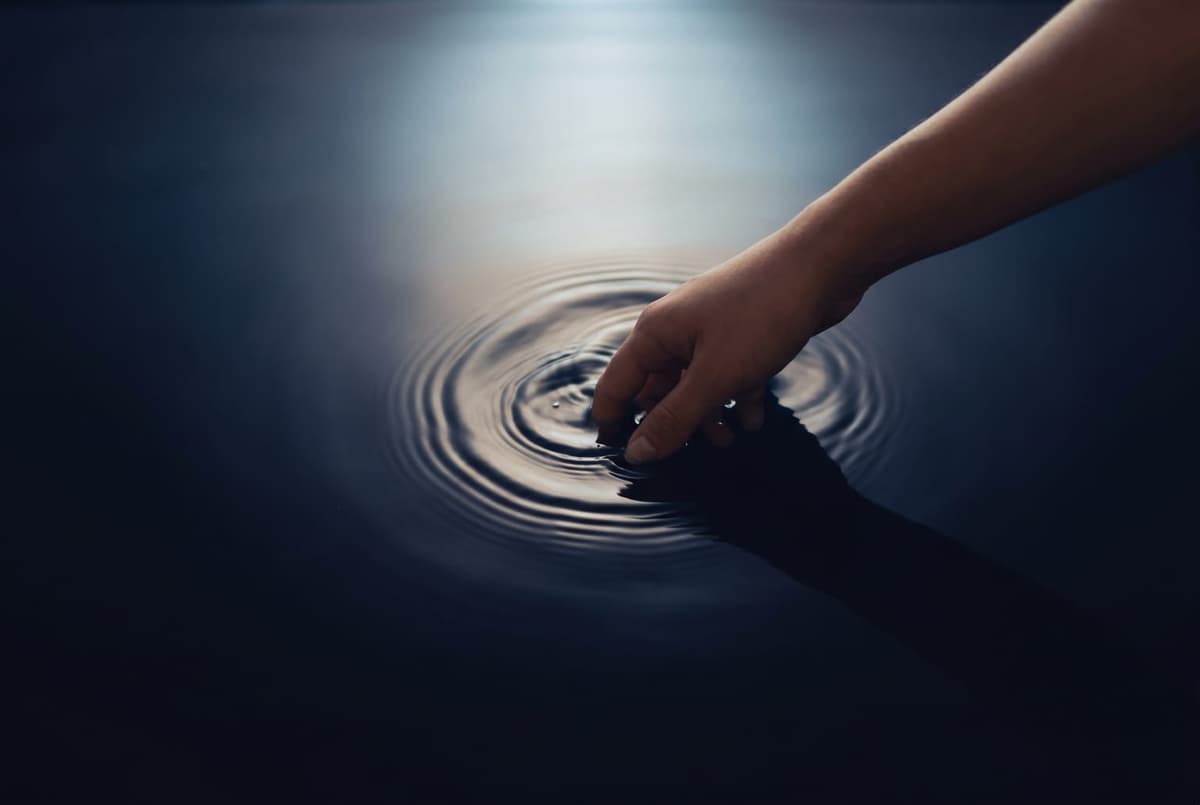
In relationships, a person with Neptune in Cancer tends to become a home rather than a partner. Think of a place — somewhere the other person gratefully moves into and, often enough, forgets to move out of after the parting. I notice this again and again with the people I read for: they describe an ex not as "him" or "her" but as "the one I brought up into the world." The line between love and mothering runs thin here. Finding it can take years of quiet practice.
Falling for someone doesn't usually arrive through clever words or a striking first impression. It comes through the smell of someone's hair, the tired timbre of their voice at night, the way they hold a mug. After that, unhooking is nearly impossible. The image of the beloved is pressed in at the level of an infant's recognition, and even once the relationship is over, the body may keep listening for that particular footstep in the hall for years.
The main risk is the urge to rescue. A partner who is wounded, in crisis, somehow unfinished can feel like an assignment handed down from the universe. The person pours themselves into that growth, carries the household, waits patiently — and then feels genuinely wronged when the one they raised walks off towards an equal, someone beside whom there's no role of pupil to play. The pattern tends to repeat until it's named.
Healthier ground, in my experience, often comes down to one plain signal worth holding onto: with the right partner you don't want to weep from tenderness and from the fear of losing them at the very same moment. Beside them, it's simply calm. When a relationship runs on a constant flicker of sweetness and dread, that usually isn't love at all — it's an old family script that has found someone new to finish playing out. None of this is fixed in stone; it's a tendency to watch for in yourself, not a fate you're signed up to.