Skip to content
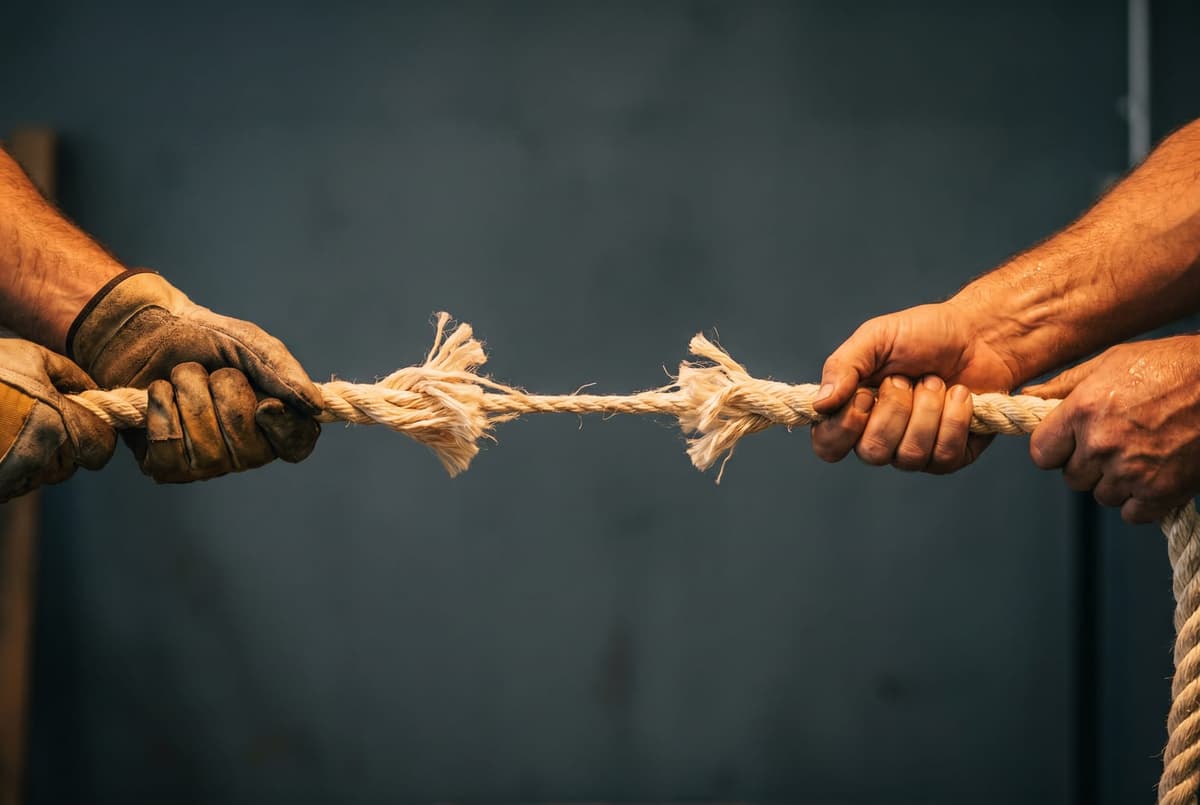
Square Sun–Pluto — symbolic illustration

Square · 90°

Sun square Pluto

A challenging aspect: the two planets rub against each other and ask for conscious handling. Tension here is a source of movement, not a verdict.

90°Orb up to 6°ChallengingNatal · synastry · transit
90°Sun square PlutoOrb up to 6° · major aspect
Oksana MiatovaWritten by Oksana Miatova·12 min read

For entertainment and self-reflection only. Not medical, legal, financial or psychological advice. Consult a qualified professional for important decisions.

The short answer

Sun square Pluto is a 90° aspect between will and deep, regenerative force. It works like a constant tension between wanting an ordinary, settled life and being pulled, again and again, into cycles of crisis and remaking. It is through that friction that a person tends to grow into who they are capable of being.

What a square is

The geometry behind the reading

A square is a separation of ninety degrees — two planets in signs of the same mode but conflicting elements, fire against water or earth against air. In the ranking of the major aspects it sits second only to the conjunction, and the textbook orb runs up to about six degrees. A square doesn't flow the way a trine does, and it doesn't hold a door open the way a sextile does; it presses, and it keeps pressing until you learn to work with the pressure. That doesn't make it a 'bad' aspect — it makes it the one that builds character through resistance. Charts without a single square rarely belong to people capable of genuinely large action; a smooth nature often stays in potential and never quite gets spent. With the Sun and Pluto, the tension falls along the most central line of the whole chart — between the conscious 'I' and an underground force that periodically demands the whole self be assembled again from scratch.

Three ways to read it

The same aspect, three different stories

One aspect reads differently depending on where you find it: inside a single birth chart, between two people, or moving across the sky right now. Read each as a way to notice patterns, not as a forecast.

Sun square Pluto in the natal chart

If Sun square Pluto sits in your natal chart, you live with a particular wiring. Yours isn't the smooth sort of nature where will and depth agree with one another. In you they stand at a right angle, and the point where they cross tends to ache almost all the time — not in a damaging way, not destructively, but noticeably. It's as if there's a figure inside who periodically calls your 'I' to account: are you really who you make yourself out to be? did you actually choose this? would you hold together if you had to be remade from scratch?

Those questions rarely arrive in words. More often they come through circumstance. In childhood, people carrying this square almost always have a figure of authority who takes up a great deal of room. A strong parent living their own unlived life through the child. Bullying at school, where a child first meets the fact that someone else's will can be stronger than their own. An illness that knocks the breath out of the belief that the body belongs to its owner. The loss of someone important early on. One storyline of that kind is nearly always there, and it sets a basic sense of how the world is put together: not the way the textbooks promised. Will has to be won back rather than assumed.

After that, the same formula repeats at every large turning. When you choose where to study, when you settle on a profession, when you fall in love, when you change jobs — somewhere along the way a figure or a situation appears that tests your right to decide for yourself. Sometimes it's a manager who likes to lean on people. Sometimes a partner who can flip your mood with a single line. Sometimes it's your own fear, dressed up as the voice of reason. With each such episode you either hand over a piece of your will or take it back. By thirty or forty it becomes clear that both stories have happened in roughly equal measure, and you know from the inside how both defeat and victory feel.

Your will is of a particular kind. It isn't light and it isn't smooth. It's heavy and slow, and it doesn't come up to full power at once but builds; once it's running, though, it's nearly impossible to switch off from the outside. People around you often read this as stubbornness or hardness — in fact it's a Plutonian way of arriving at a decision. Between the thought 'I want this' and the act, there's always a check: is it important enough to justify the price it will cost? If it isn't, nothing moves. If it is, you can't be stopped.

The shadow side opens up where the tension finds no form and folds in on itself as self-sabotage. The body answers first — hormonal upsets, tension knotted in the shoulders and jaw, broken sleep, raised blood pressure, trouble with the organs tied to the themes of power and regeneration. The psyche responds through low spells with no obvious cause, through fixation on a single theme or person, through scripts where you pour an enormous resource into a hopeless cause and can't make yourself stop. Control becomes the currency of survival: you try to hold up a structure that's already cracking, and it eats so much of your strength that little is left for the rest of your life.

Healthy work with this square begins with an admission: the pressure won't go away. This isn't a passing crisis to be ridden out. It's a wiring you live with always. The task isn't to remove the tension but to find it a form in which it works for you rather than against you. A serious profession that asks for depth. Regular physical discipline — sport, a martial art, hands-on work with the body. Therapy in which you unpick where the figure of authority comes from and learn not to make war on it by reflex. A creative practice in which the Plutonian charge becomes raw material rather than an enemy.

Life with this square moves in big spirals. Seven, ten, twelve years of one configuration, and then a break, after which you don't recognise yourself in old photographs. That isn't a malfunction; it's the nature of the aspect. A quiet, ordinary life tends not to settle around this square, and attempts to build one often end in illness or in the sudden blowing-up of everything that looked stable. Better to agree to the tempo from the start and plan your life not as a level line but as a series of chapters.

By around forty most people carrying this aspect have already built up their own discipline for handling the charge. If you're still early on the path and only now recognising this theme in yourself, reading the natal chart with a focus on the Sun and Pluto can show you, concretely, where the line of tension runs through your particular life. Treat the picture as something to reflect on, not a script you're obliged to follow.

When it flows

  • An ability to keep working under pressure that would flatten most people inside a week
  • A dense, weighty character that consolidates through crisis rather than in spite of it
  • A sharp nose for hidden motives and the quiet games of power — you tend to see who is really steering a situation
  • A talent for rebuilding yourself — every seven to ten years you can come out a different person, yet still recognisably you

When it grates

  • A chronic sense that you have to win back the right to be yourself from external or internal figures of authority
  • A pull towards controlling everything that matters, taken so far it becomes physical tension held in the body
  • An all-or-nothing pattern in big decisions: either total commitment or a clean break
  • An early collision with the theme of power — through a forceful parent, bullying, illness or loss

The shadow side, and what to do with it

The shadow side of Sun square Pluto opens up where the tension turns inward and curdles into self-sabotage. A person starts waging war on their own life — on the body, on the work, on the people closest to them, on their own ambition. Instead of being aimed at something, the Plutonian charge folds back on itself and shows up as burnout, as low spells with no visible outside cause, as the sense of running a high-stakes operation against yourself. Integration begins with an honest admission: this pressure isn't going anywhere — calm is not in the nature of the aspect. The task isn't to remove the tension but to give it a shape. Demanding work, physical discipline, depth-oriented therapy, a profession that asks for real intensity — all of these take the strain off the system. A quiet life with no challenges tends not to settle around this square, and attempts to build one often end in illness. Read this as a pattern to notice, not a verdict on your life.

Square — symbolic still life

How close is close

The orb decides the volume

A square is rarely exact. The smaller the gap between the two planets — the orb — the louder the aspect plays. Here is roughly how the three bands read.

Tight

0–2°

Reads as a defining feature

At 0–2° the square is exact, and the Plutonian theme becomes a permanent axis of inner life. You live with the sense that something larger stands between you and your own will at all times. Any attempt to retreat into a quiet, ordinary existence tends to fail — the system won't allow it. The strong version of this band: an early choice of a serious profession or discipline through which the Plutonian charge finds a form. The weak version: chronic tension, psychosomatic symptoms, relationships in which both sides are worn out by a struggle for power whose source no one can quite locate.

Medium

2–5°

A steady background pattern

At 2–5° the square works as a background feature and flares in periods of crisis. You feel the Plutonian pressure in waves, especially when outer circumstances change — a new job, a move, the end of a long relationship. In settled years the square is nearly invisible, but the moment stress switches on, the familiar feeling of having to fight for the right to be yourself returns. With age many people learn to handle the charge through discipline, sport or demanding work, and then the square turns into an engine rather than a hindrance.

Loose

5–8°

A faint colouring, felt in crises

At 5–8° the square is present in the background but doesn't define the face of the personality. The theme of power struggle and transformation surfaces now and then, mostly in sharp life transitions. A person can live large stretches with no visible Plutonian storyline, and then, in one of the pivotal periods — a loss, a health crisis, a professional collapse — discover a level of resilience and self-possession they didn't know they had. The wide orb gives less pressure day to day and a steadier capacity to come back from major blows.

Square with a partner — what does it mean for the two of you?

A full synastry reading — every aspect between your two charts

Sun square Pluto inside one chart is an inner mechanism. Between two charts it becomes the dynamic of a relationship. Enter both birth details and get a synastry reading — where the conjunctions sit, where the squares pull, where the oppositions draw you together — all calculated with the Swiss Ephemeris. Read it as a way to notice patterns, not a forecast.

Check your compatibilityfrom £1 · for entertainment

Compare with a neighbouring aspect

Same planets, a different distance

Sun trine Pluto tells a different story. If you're reading this to make sense of a specific chart, it's worth glancing at the neighbouring aspect too.

Sun trine Pluto
  • In a trine, force and will run in one channel — the person handles the Plutonian resource easily, often without noticing how powerful it is
  • The square makes you win back every step; the trine lets you move as if carried by a current
  • The trine gives innate depth without the strain, but that ease often turns into under-use — the resource is there, yet the challenges that would unfurl it are not
  • The square builds character through resistance, the trine through accumulation; the first more often makes reformers and crisis leaders, the second people with great inner capital that stays in shadow
  • Working with a square means giving the tension a shape through real work; working with a trine means finding a reason to leave the comfort zone and put the force into action

Frequently asked questions

What does Sun square Pluto mean in the natal chart?
It is a standing inner tension between the conscious 'I' and a deep, transforming force. You tend to live with the sense that you have to win back the right to be yourself — from circumstances, from figures of authority, from your own crises. Through that resistance a dense character takes shape, one that can hold a blow and work over the long haul. The shadow side is a pull towards control and the risk of turning the tension into self-sabotage, through the body or through relationships. Read it as a pattern to notice, not a fixed fate.
Is Sun square Pluto good or bad in synastry?
It is intense and demanding. Each partner switches on a huge charge in the other, but the price of that charge is recurring contests of power, jealousy and attempts to seize control. Whether it reads as good or bad depends on whether both people are willing to face their own shadow rather than blame the dynamic on each other. When they are, the couple goes through a serious shared transformation. When they aren't, the relationship can drag on for years in 'I can't be with them and I can't be without them' mode. As ever, this is a lens for understanding a relationship, not a prediction about it.
What orb should I use for Sun square Pluto?
The classical school gives a square an orb of up to about 6°. An exact square (0–2°) works as a permanent axis of life — the theme never quite goes away. A medium one (2–5°) switches on in periods of crisis and sits in the background in settled years. A wide one (5–8°) sounds only in major transitions and doesn't define the personality. For the lights, and the Sun especially, many practitioners keep the orb no wider than 6°.
Which celebrities have Sun square Pluto?
Accurate names need a verified birth chart, ideally at a Rodden rating of AA, checked in a specialist database such as AstroDatabank or AstroSeek. WowAstro doesn't plug in names without confirming their birth data, because for a square between the Sun and Pluto you need people whose birth time and planetary degrees are both verified. The cost of an error is too high to quote anyone from memory.
Transiting Pluto is squaring my natal Sun — what does that mean?
It's a long stretch — roughly a year and a half to two years, with three passes — and by weight it ranks among the most serious transits of a lifetime. As a rule everything that can change tends to: work, relationships, the body, the way you think of yourself. The cardinal rule is not to rush big decisions on the first pass, when the pressure is sharpest. Let the process unfold. Therapy and physical support over a period like this are closer to a necessity than a luxury. None of this is destiny; it's a way to frame a demanding season.
Is Sun square Pluto different for men and women?
The aspect itself is the same, but it tends to show up differently in social terms. For a man the Plutonian charge often slots more readily into a public role — a contest for status, power storylines in a career, a standoff with other men. Women are more often denied open displays of force by their surroundings, so the same charge can run into family scripts, bodily crises or hard relationships in which someone spends years fighting for the right to decide. With inner work the difference fades: both get access to an enormous resource. Take this as a lens, not a rule about who you must be.
Is it hard to live with someone who has Sun square Pluto?
It can be hard if they aren't doing their own inner work, because there's little ease in this aspect either for the person carrying it or for those around them. A partner tends to feel periodic waves of force — pulled into someone else's crisis, put under pressure, or reacting sharply to an attempt to be controlled. If the person with the square is in therapy or keeps a steady inner practice, the tension becomes part of their character rather than a weapon. If not, the couple can live from clash to clash. This describes a pattern, not a foregone conclusion.
What's the difference between Sun square Pluto and the opposition?
A square is felt as inner pressure: the theme of Plutonian tension lives inside the person, and they often can't say where it comes from. An opposition works more through projection — the Plutonian figure shows up on the outside, as a domineering partner, a boss, a crisis that seems to arrive from elsewhere. The square is harder to accept because it's internal. The opposition is easier to spot but harder to reclaim, because the charge has been handed out to someone else and has to be taken back.
Can you 'remove' Sun square Pluto from a chart?
No. A natal aspect works for life, and pretending it isn't there tends to come back as psychosomatic symptoms or repeating storylines in relationships. What you can change isn't the aspect but the way you live it. Discipline, demanding work, therapy, a profession with real depth — all of these give the Plutonian charge a shape. Then the square stops being a hindrance and starts working as an engine.
Can Sun square Pluto bring public life?
Often, yes, though rarely a comfortable one. Public figures with this aspect have usually been through serious crises, scandals, a loss of reputation and a return to the stage in a different guise. There's magnetism, but it's tinted in Plutonian colours: people tend to love them and loathe them at once, with little neutral ground left over. Public life with a square like this isn't an easy career but a long story of rebirths in full view of others. None of this is a promise — it's a tendency to be aware of.

Related pages

The other aspects between Sun and Pluto

The same two planets at a different angle — each reads differently.

Oksana Miatova
Oksana Miatova

Astrologer, co-founder of WowAstro

Oksana Miatova is a practising astrologer and co-founder of WowAstro. Natal charts, synastry and forecasts grounded in the Western classical tradition — explained through real-life examples and plain language.

More about the author →

For entertainment and self-reflection only. Not medical, legal, financial or psychological advice. Consult a qualified professional for important decisions.